Canada Is Much Further South Than Most Maps Suggest
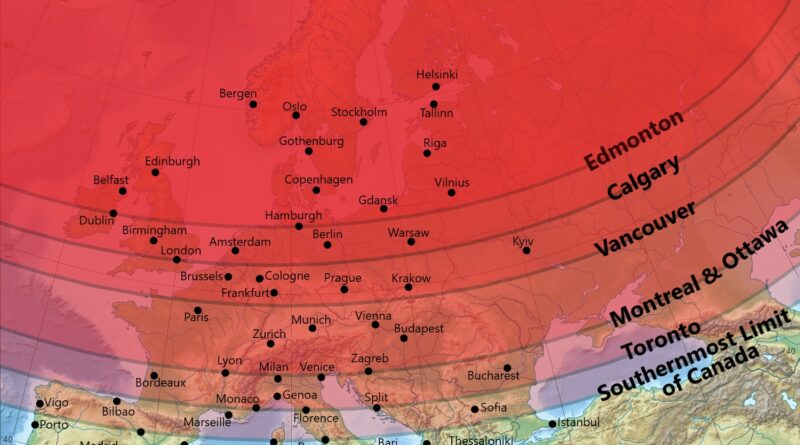
Canada looks like a country of snow and endless winter on the map, yet its six biggest cities land at the same latitude as London, Paris and even Florence.
Read MoreCanada looks like a country of snow and endless winter on the map, yet its six biggest cities land at the same latitude as London, Paris and even Florence.
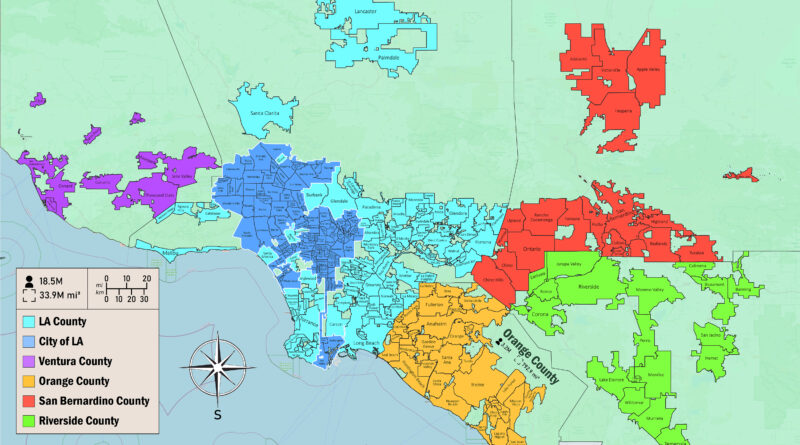
Read MoreGreater Los Angeles holds 18.5 million people across seven counties with extremely different densities. Orange County packs 3,345 people per square mile while San Bernardino County has 109. LA County median homes cost over $800,000 versus under $600,000 in Riverside County, driving projections that LA County could lose 1.4 million residents by 2060.
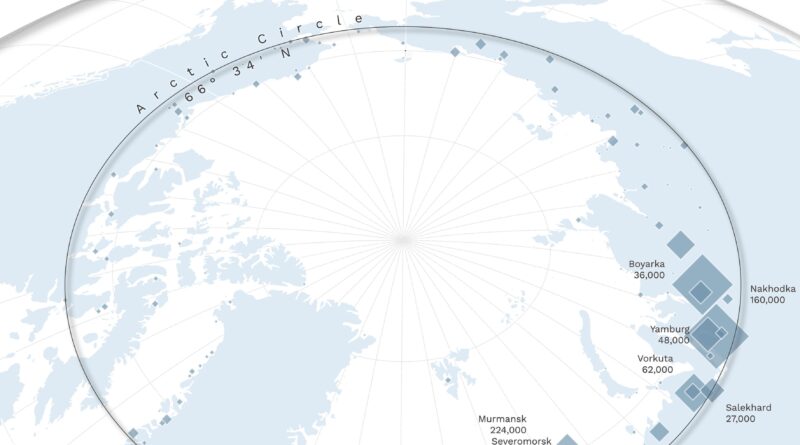
Read MoreFrom Tromsø to Murmansk, life above the Arctic Circle isn’t as sparse as you might think. Here’s a closer look at the largest towns in the Arctic—and why most of them are in Russia.
Read MoreRio de Janeiro is a city that has been reshaped over centuries—not just culturally and architecturally, but also in its
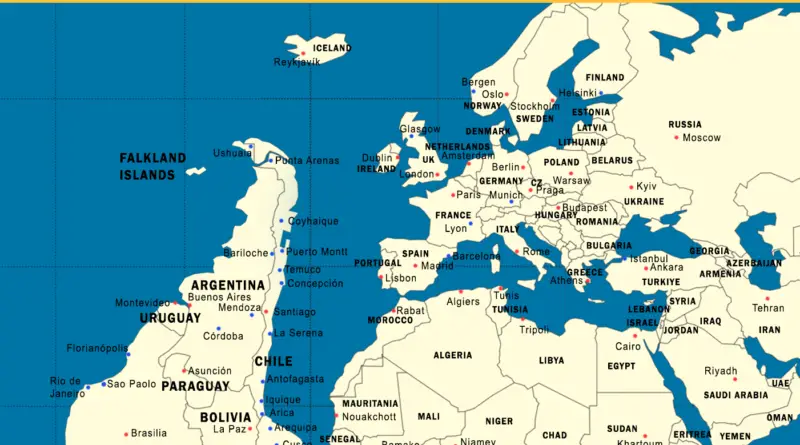
Read MoreExplore how cities in South America align geographically with those in Europe, Africa, and the Middle East—and how their climates diverge despite similar latitudes.
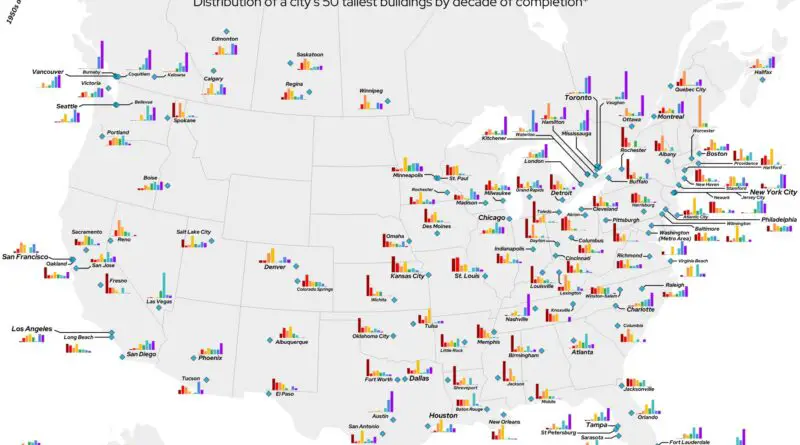
Read MoreFrom the towering spires of New York to the gleaming towers of Vancouver, North American cities boast some of the world’s most impressive skylines. But have you ever wondered about the age of these urban giants? Our latest blog post dives into a captivating map that reveals the surprising age differences in skylines across the continent.
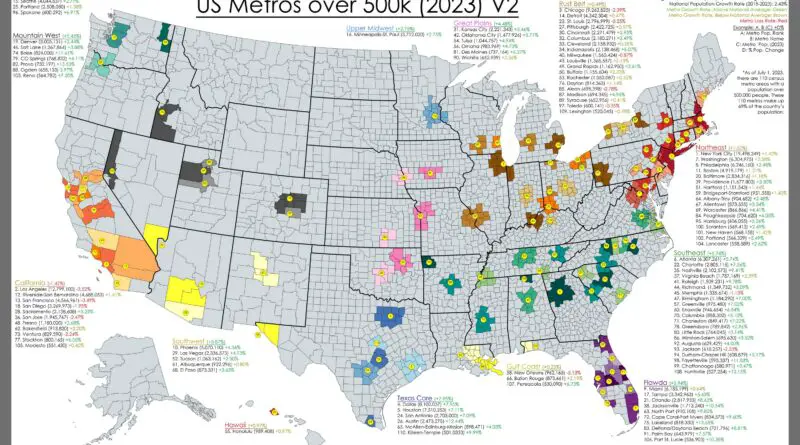
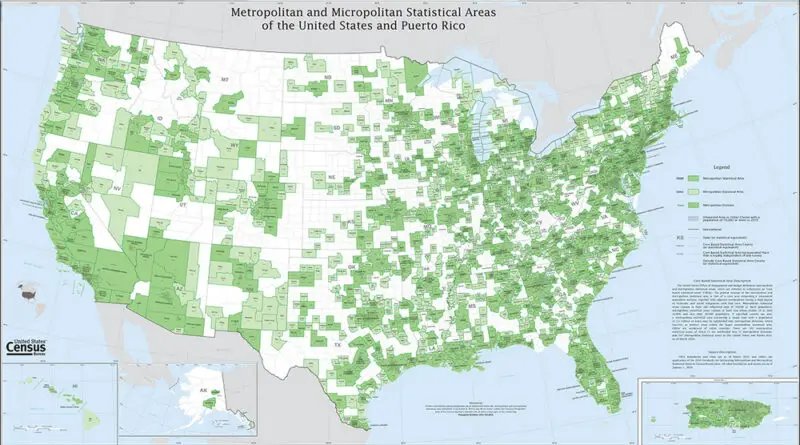
Read MoreDiscover the dynamic landscape of U.S. metropolitan areas, from their historical formation to current growth trends. Explore detailed insights into the largest, fastest-growing, and declining metro areas.
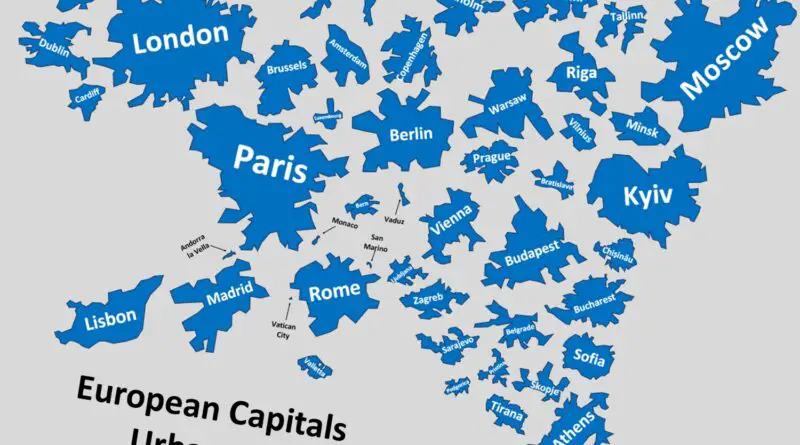
Read MoreAt the larger end of the spectrum, metropolises like Moscow, London, Paris, and Berlin stand out as major European capitals with extensive urban areas. These cities have historically evolved over centuries, incorporating surrounding communities and neighborhoods into their urban fabric. They attract a diverse population as economic and cultural hubs, contributing to their expansive urban footprint.
Read MoreThe safety or danger of cities in the U.S. reflects a multifaceted combination of social, economic, and geographic factors that shape the overall well-being and security of their residents.
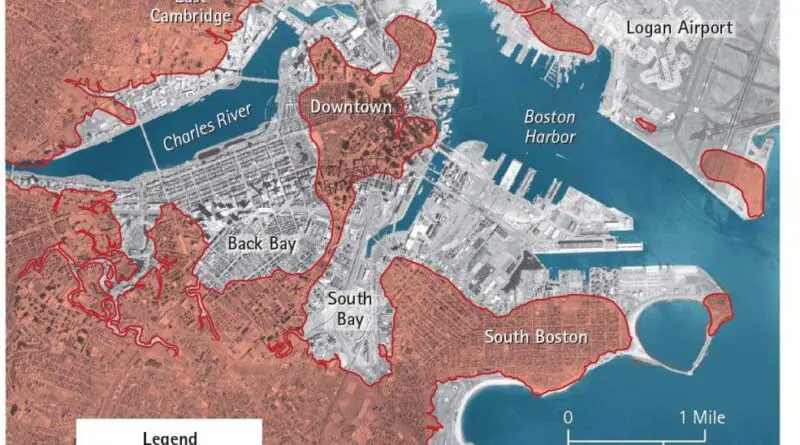
Read MoreBoston is the capital and largest city of the state of Massachusetts in the United States. Founded in 1630, it holds a rich historical significance as one of the oldest cities in the country. Over time, the city has evolved into a thriving metropolis known for its world-class universities (Harvard and MIT), healthcare institutions, and innovative technology companies. Boston’s historic neighborhoods, such as Beacon Hill and the North End, have preserved their charm, while the city has expanded through urban development and land reclamation projects.
Read More