Mega-urban population in 2025 and 2050
The world of the 21st century is predominantly urban, with currently 54% of the global population residing in cities, and an expected increase to 66% until 2050.
Read MoreThe world of the 21st century is predominantly urban, with currently 54% of the global population residing in cities, and an expected increase to 66% until 2050.
Read MoreThe concept of takeout food has been present in various forms throughout history. In the United States, the origins of modern takeout can be traced back to the late 19th and early 20th centuries. Immigrant communities often brought their culinary traditions with them, and many established small food businesses that offered prepared meals for purchase.
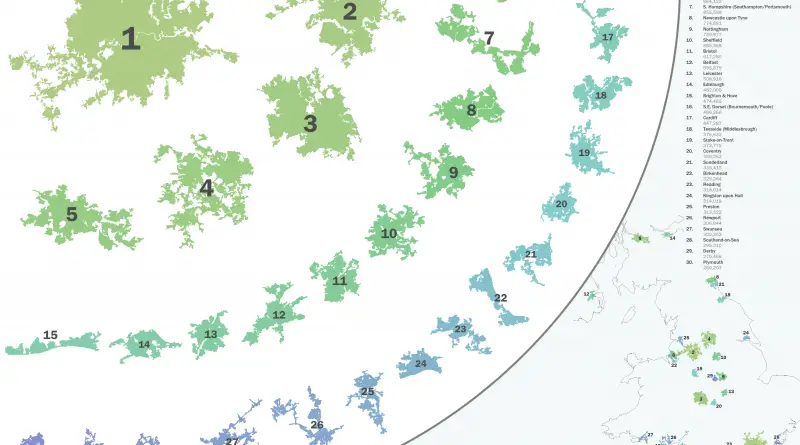
Read MoreCities are the beating hearts of our civilizations, each with its own unique character and charm. However, beneath the surface, there are often striking similarities that define cities within the same country or region. Let’s explore the common features of American cities, European cities, cities in post-Soviet countries, and Chinese cities, highlighting the essence of urban life across borders.
Read MoreIn the grand tapestry of human civilization, megacities stand as towering monuments to the ingenuity, complexity, and sheer scale of urban life. Defined as urban areas with populations exceeding 10 million inhabitants, megacities are not merely geographic entities but thriving ecosystems of culture, economy, and diversity. Let’s embark on a journey to explore some of the world’s current megacities and speculate on the emerging giants that are poised to shape the future.
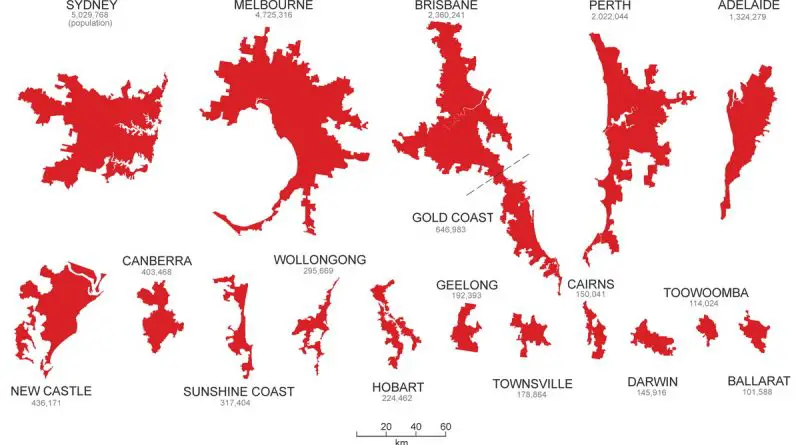
Read MoreDiscover the travel times to the nearest major city across Australia and fascinating facts about its largest urban areas. Includes a detailed map and travel distance table.
Read MoreFrom Beijing’s fourfold expansion to Tianjin’s unexpected density drop, this visual analysis of 66 global cities reveals fascinating patterns of urban growth and change over a quarter-century. Dive into the data to see how your city measures up.
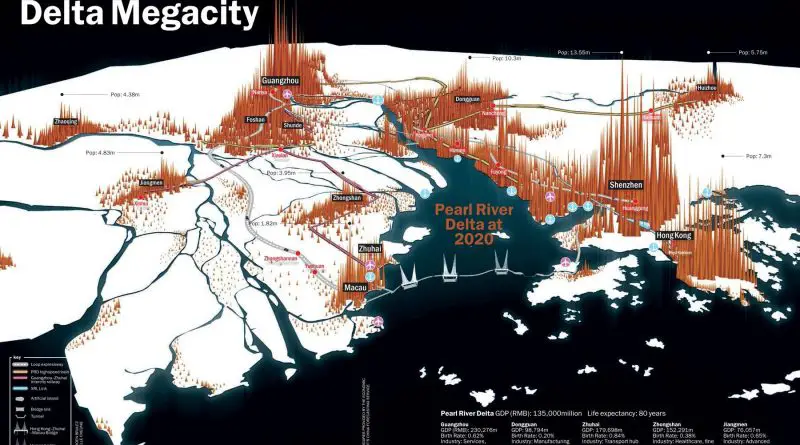
Read MoreThe Pearl River Delta Megacity, a sprawling urban network in southern China, has transformed from fishing villages to a global economic powerhouse. With a combined GDP of 135 billion RMB and cities specializing in everything from hi-tech to finance, this region offers a fascinating glimpse into the future of urban development and economic growth.
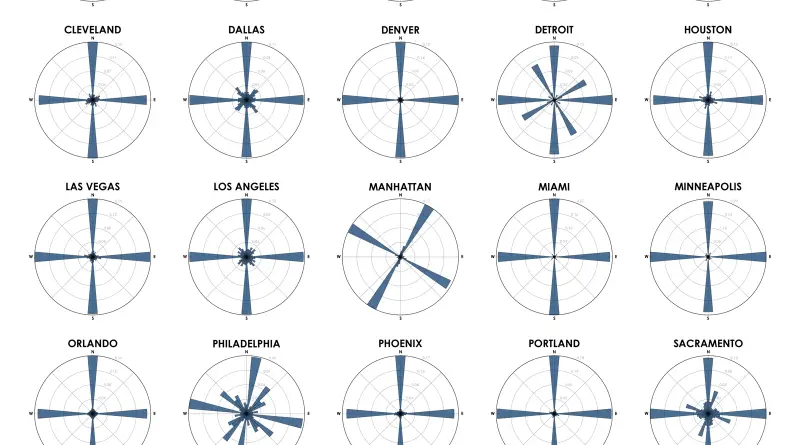
Read MoreEver wondered why some cities are easy to navigate while others feel like a maze? The street orientation patterns of American cities tell fascinating stories of their history, geography, and urban planning philosophies. Through stunning visualizations, we explore how different cities developed their distinctive street layouts – from perfect grids to winding roads.
Read MoreHave you ever wondered how many large cities are in each U.S. state? From the bustling metropolises of California to the smaller yet significant urban centers scattered across the country, the distribution of cities with a population of over 100,000 can reveal interesting insights into the demographic landscape of the United States.
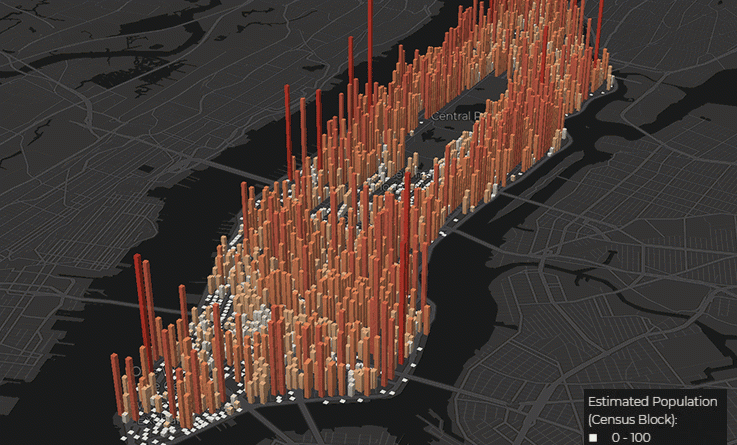
Read MoreIn 1910, Manhattan crammed 2.3 million residents into 22 square miles—a density the borough has never matched since. By 2025, the overnight population sits around 1.7 million. But Manhattan’s real story isn’t about who lives here anymore. Every weekday, the island swells to nearly 4 million people by early afternoon, then empties out again each night. Midtown hits densities comparable to Mumbai and Macau at peak hours, while neighborhoods north of Central Park lose residents during work hours. Maybe the question isn’t how many people live in Manhattan—it’s how many people Manhattan holds at any given moment.
Read More