Countries ranked by the distance between the two most populated cities
Many large cities are found at locations with certain first-nature advantages, like the proximity of oceans, mountains, natural resources, and climate, etc.
Read More

Many large cities are found at locations with certain first-nature advantages, like the proximity of oceans, mountains, natural resources, and climate, etc.
Read More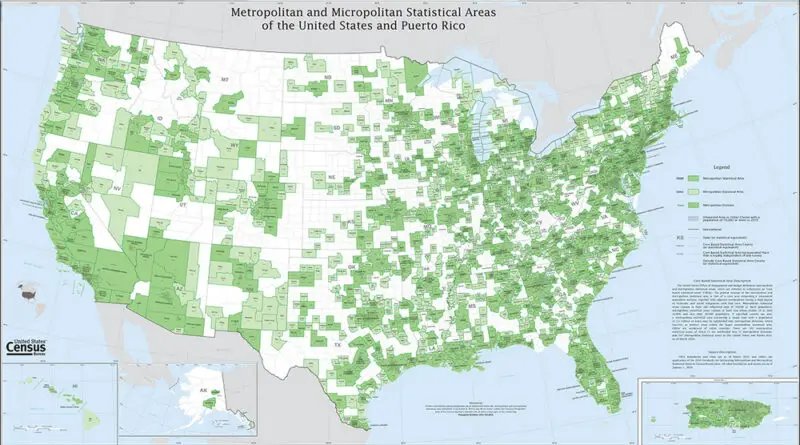
According to U.S. Census Bureau, in the United States, 392 metropolitan statistical areas and 547 micropolitan statistical areas. The latest detailed map poster shows all of these statistical areas.
Read More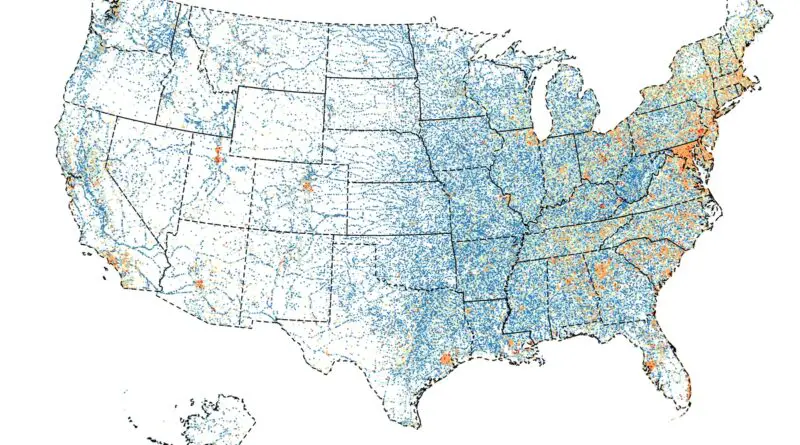
There are more than 180,000 populated places in the United States, and most of them have a unique name. First of all, the names of settlements in the U.S. are very different in length.
Read More
The location of the capitals is based on several principles. First, the principle is to place the capital as close to the state’s center as possible based on the predominant travel method. The next principle is based on closeness to trade routes, resources, etc.
Read More
Many of the world’s cities will face sharply different climates by 2050. I tried to visualize how climate change will affect 6,000 world cities. London could feel as hot as Paris by 2050, with Paris’s climate more like San Francisco. San Francisco feels like Melbourne and New York City like Bologna (Italy). The climate of Moscow will be similar to that of Boston.
Read More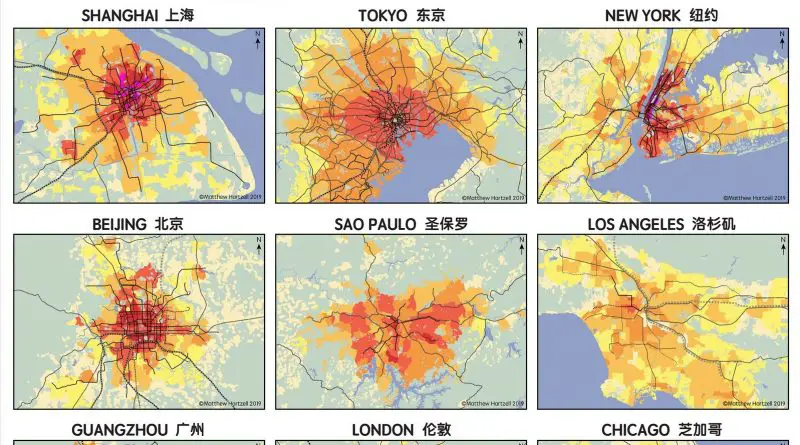
Population and transportation density identify specific cities. It is one of the most precise measures of how suburbia differs from the central city, and it depicts the most visual contrast between urban areas throughout the world. Although differences exist within the central city and suburbia, differences on a global basis between North American and European cities are even more impressive.
Read More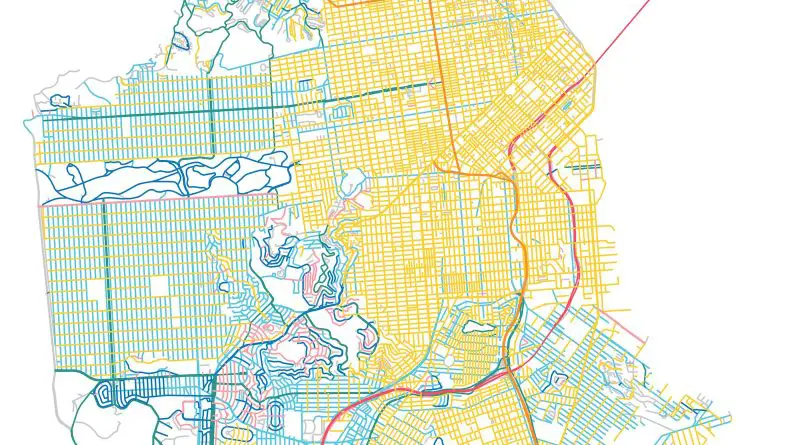
In 1835, several ships that came into the bay of San Francisco found the safe anchorage, what was known as Yerba Buena Cove. It was here Francisco de Haro founded the town of Yerba Buena. And it was here that the city’s first streets appeared, called La Calle de la Fundacion (Foundation street).
Read More
Combined Statistical Areas represent multiple metropolitan or micropolitan areas that have an employment interchange of at least 15 percent.
Read More
Carthage was the capital city of the ancient Carthaginian civilization, located between the Tunisian capital city of Tunis and the Gulf of Tunis. Among the ancient world’s largest and prosperous cities, Carthage’s strategical position gave access to extensive fertile lands and major marine trade ways.
Read More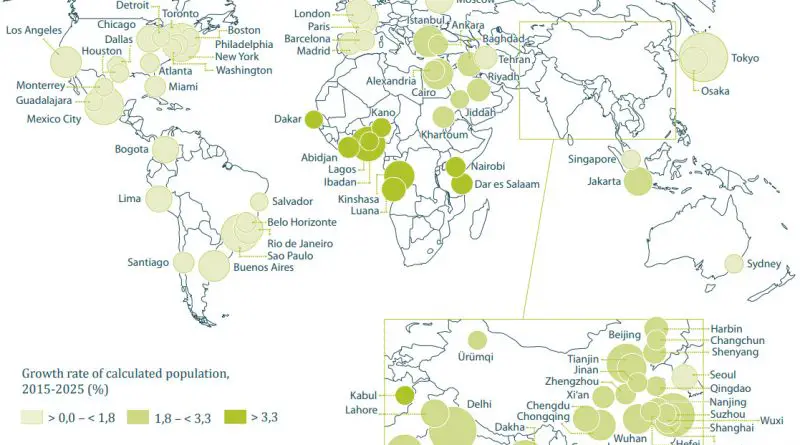
The world of the 21st century is predominantly urban, with currently 54% of the global population residing in cities, and an expected increase to 66% until 2050.
Read More