Climate Change

ClimateClimate ChangeVivid maps

Europe’s Climate Zones Are Shifting North: Köppen-Geiger Maps from 1930 to 2099

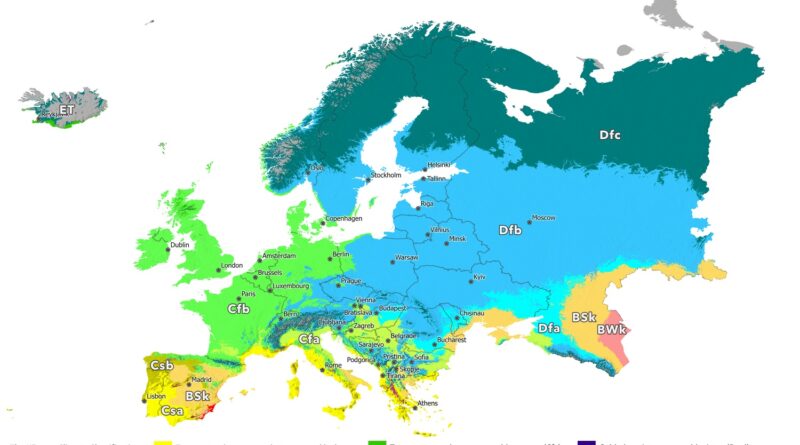
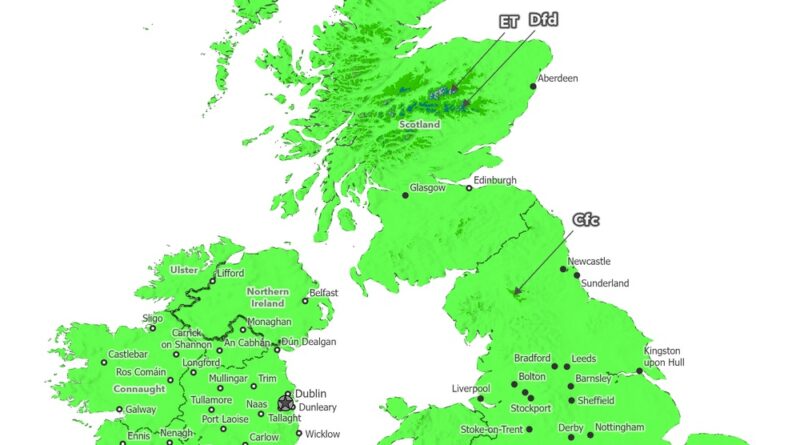
Köppen-Geiger climate maps of Europe reveal zones migrating hundreds of kilometers north from 1930 to 2099. Mediterranean climate expands into France and interior Iberia, subarctic retreats in Scandinavia, continental shifts northeast, and Alpine tundra vanishes from lower peaks under ssp2-4.5 scenario.

Read more: Europe’s Climate Zones Are Shifting North: Köppen-Geiger Maps from 1930 to 2099
ClimateClimate ChangeVivid maps

New Zealand’s Shrinking Cool Climates: Köppen-Geiger Maps from 1930 to 2099
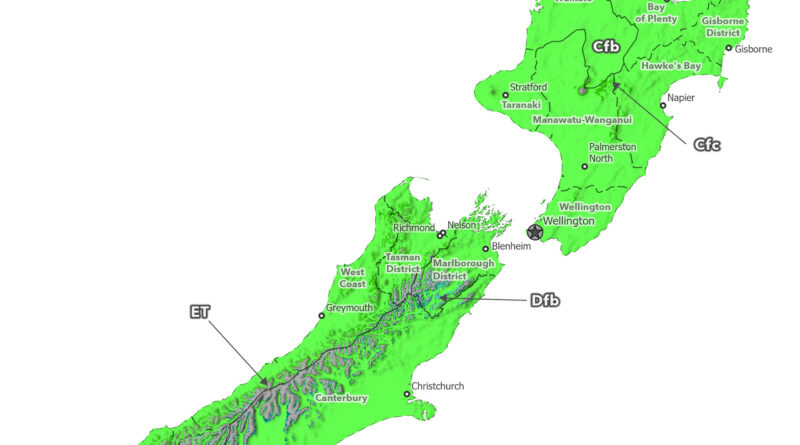
Köppen-Geiger climate maps of New Zealand reveal mountain climate zones disappearing from 1930 to 2099. Cool-summer oceanic climate (Cfc) vanishes from North Island, tundra patches (ET) disappear from Southern Alps peaks, subarctic zones (Dfc) shrink dramatically, and cold steppe (BSk) contracts under ssp2-4.5 scenario.

Read more: New Zealand’s Shrinking Cool Climates: Köppen-Geiger Maps from 1930 to 2099
ClimateClimate ChangeVivid maps

Australia’s Expanding Deserts: Climate Maps from 1930 to 2099

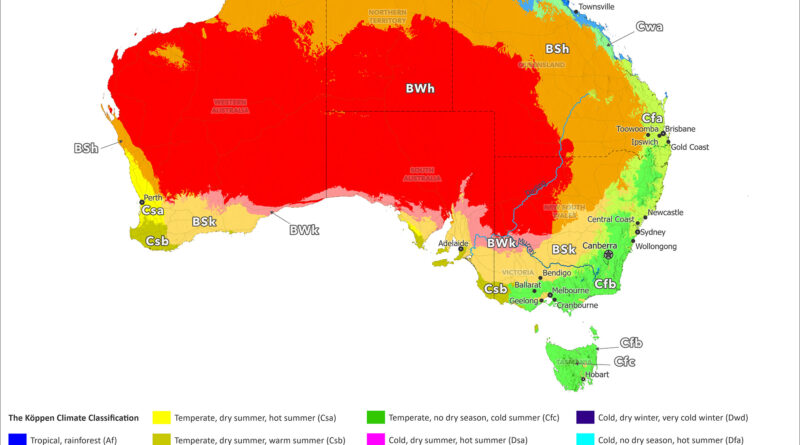
Köppen-Geiger climate maps of Australia reveal desert expansion from 1930 to 2099. Hot desert (BWh) and steppe (Bsh) zones spread hundreds of kilometers toward Sydney, Brisbane, Melbourne, and Perth. Habitable climate zones supporting population centers get compressed coastward under ssp2-4.5 scenario.

Read more: Australia’s Expanding Deserts: Climate Maps from 1930 to 2099
ClimateClimate ChangeNewsVivid maps

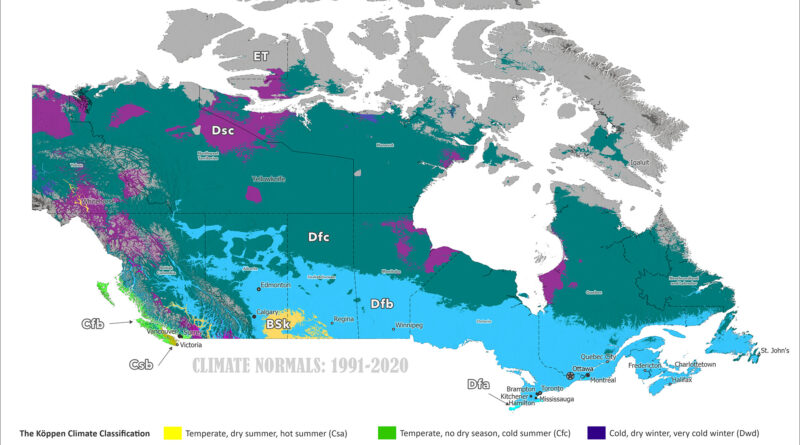
Canada’s Shifting Climate Zones: Köppen-Geiger Maps from 1930 to 2099
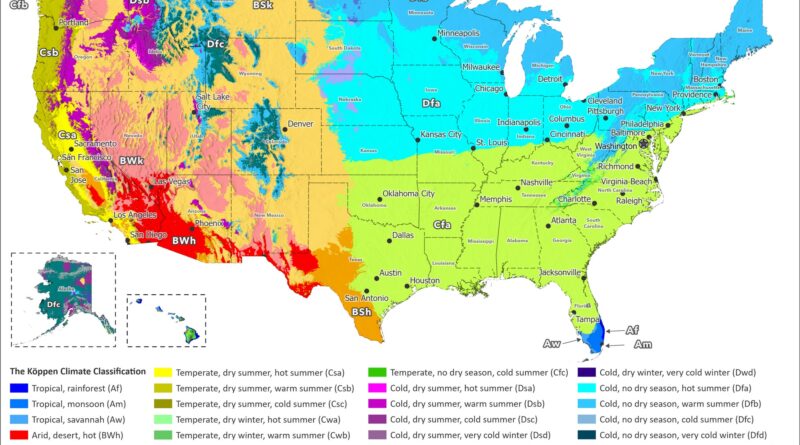
Köppen-Geiger climate maps of Canada reveal dramatic northward shifts from 1901-1930 to 2077-2099. Animated comparisons show tundra retreating to Arctic islands, subarctic zones moving hundreds of kilometers north, tree line advancing, and southern continental climates warming under the ssp2-4.5 scenario.

Read more: Canada’s Shifting Climate Zones: Köppen-Geiger Maps from 1930 to 2099
CitiesClimate ChangeForecastsGlobal WarmingNewsWorld

How hot cities could be in 2050

Many of the world’s cities will face sharply different climates by 2050. I tried to visualize how climate change will affect 6,000 world cities. London could feel as hot as Paris by 2050, with Paris’s climate more like San Francisco. San Francisco feels like Melbourne and New York City like Bologna (Italy). The climate of Moscow will be similar to that of Boston.

Read more: How hot cities could be in 2050