The Contested Crown: Britain’s Ever-Changing Second City
From industrial giants to imperial centers, discover the remarkable cities that have competed for the prestigious “Second City” status throughout British history.
Read More
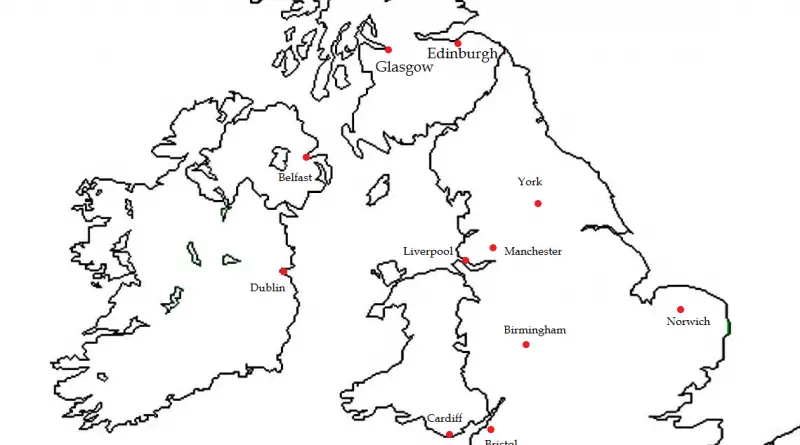
From industrial giants to imperial centers, discover the remarkable cities that have competed for the prestigious “Second City” status throughout British history.
Read More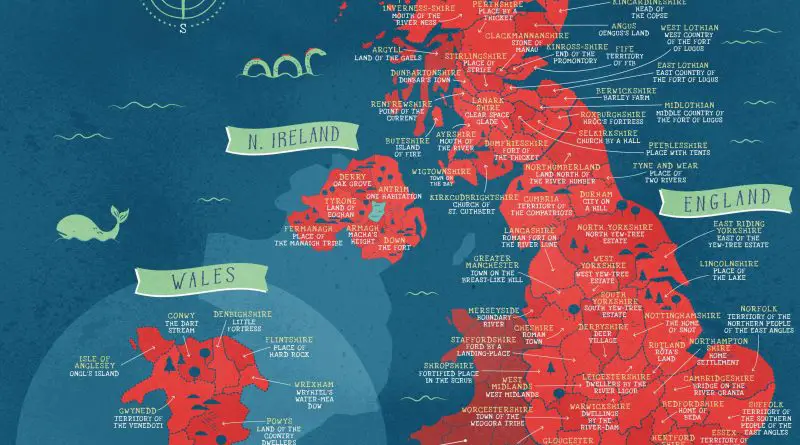
From the Viking-named Shetlands to the Celtic roots of Cornwall, Britain’s county names tell stories of ancient kingdoms and forgotten peoples. This detailed map of the United Kingdom reveals the surprising meanings behind familiar place names and the historical forces that shaped them.
Read More
With 9.1 million residents, London is the third most populous city in Europe. But those people are not spread evenly across the capital. Some outer suburbs have just 30–50 homes per hectare, while the most intensely residential inner pockets reach 240–435.
Read More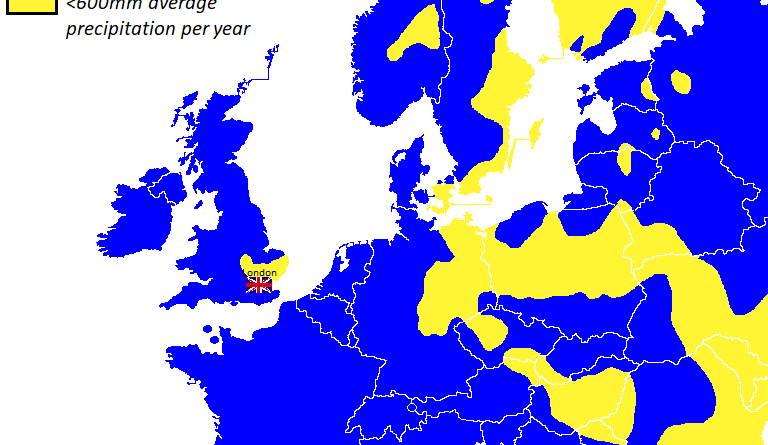
People often think of London as endlessly rainy, but how wet is it really compared to the rest of Europe? The map of Europe created using KNMI data helps clear up the picture.
Read More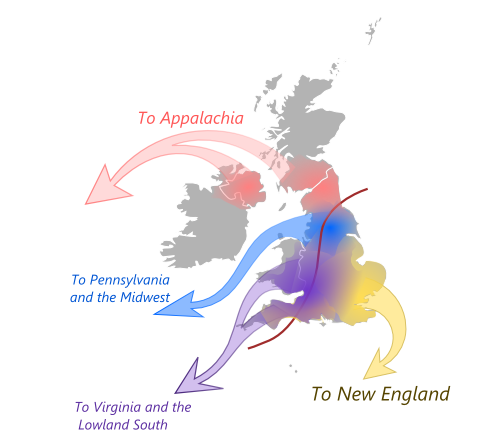
Massachusetts doesn’t feel like Virginia for a reason. Between 1620 and 1770, four British regions sent settlers with completely different worldviews. East Anglian Puritans built communal New England. North Midlands Quakers created tolerant Pennsylvania. Southern English gentry ran hierarchical Virginia. Scottish-English borderers settled independent Appalachia. The map shows where they came from and where they went. American regions still reflect those origins.
Read MoreRoman currency comprised gold, silver, bronze, orichalcum, and copper coins. From its introduction to the Roman Republic, during the 3rd century B.C., well into Imperial times, Roman currency saw numerous changes in form, denomination, and composition. A persistent trait was the inflationary debasement and replacement of coins over the times. Well-known examples of this followed the reformations of Diocletian.
Read More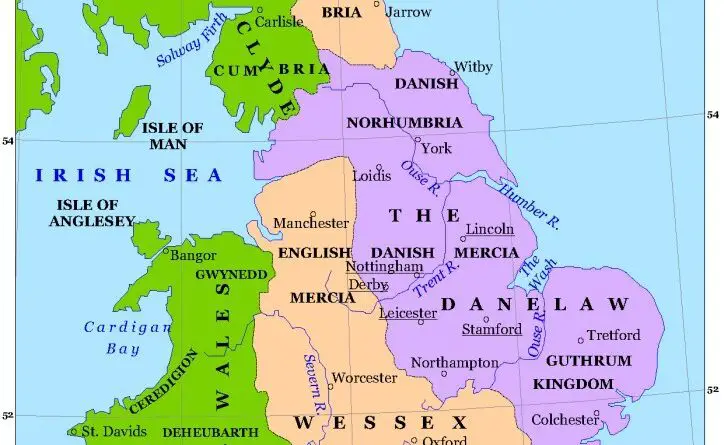
In the year 886, the British Isles bore the scars of both tumultuous conflict and cultural exchange. At this juncture, the land was a patchwork of kingdoms, each vying for supremacy amidst the shifting tides of power. The Anglo-Saxon Heptarchy, a collection of seven kingdoms, had seen its influence wane, fractured by internal strife and external pressures.
Read More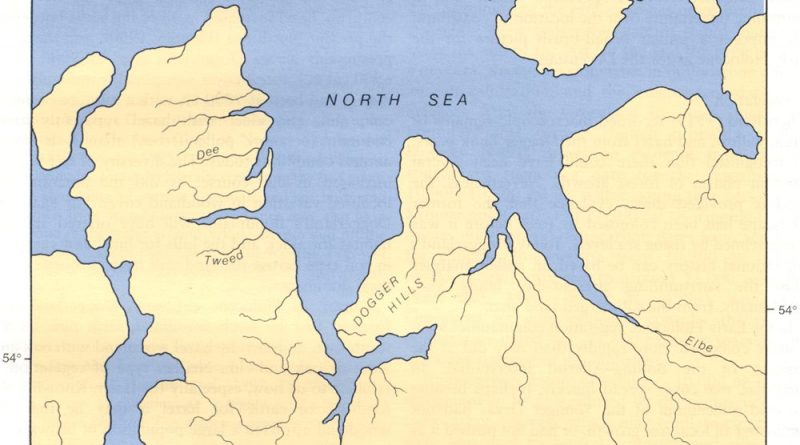
Ten thousand years ago, you could walk from Yorkshire to Denmark. Doggerland was a real place with forests, rivers, and people. Now it’s 20 meters underwater in the North Sea.
Read MoreLondon, the South East and the East of England have greater surname heterogeneity than the rest of the United Kingdom. Big urban areas attract foreign and domestic migration and produce a large and ethnically diverse society, with high population mixing, and consequently form a higher diversity of surnames.
Read More