We have already tried to define the borders of Europe, but subdividing the continent further presents an even greater challenge. Having previously looked at Central Europe, we will now try to define Eastern Europe. This, too, is no simple task.
This is because Eastern Europe, like any other European region, has never been purely a geographical term. Over time, the name has been shaped by cultural differences, historical events, changing political systems, and the legacy of the Cold War.
Instead of trying to settle the debate, The European Correspondent compared several well-known definitions of Eastern Europe.
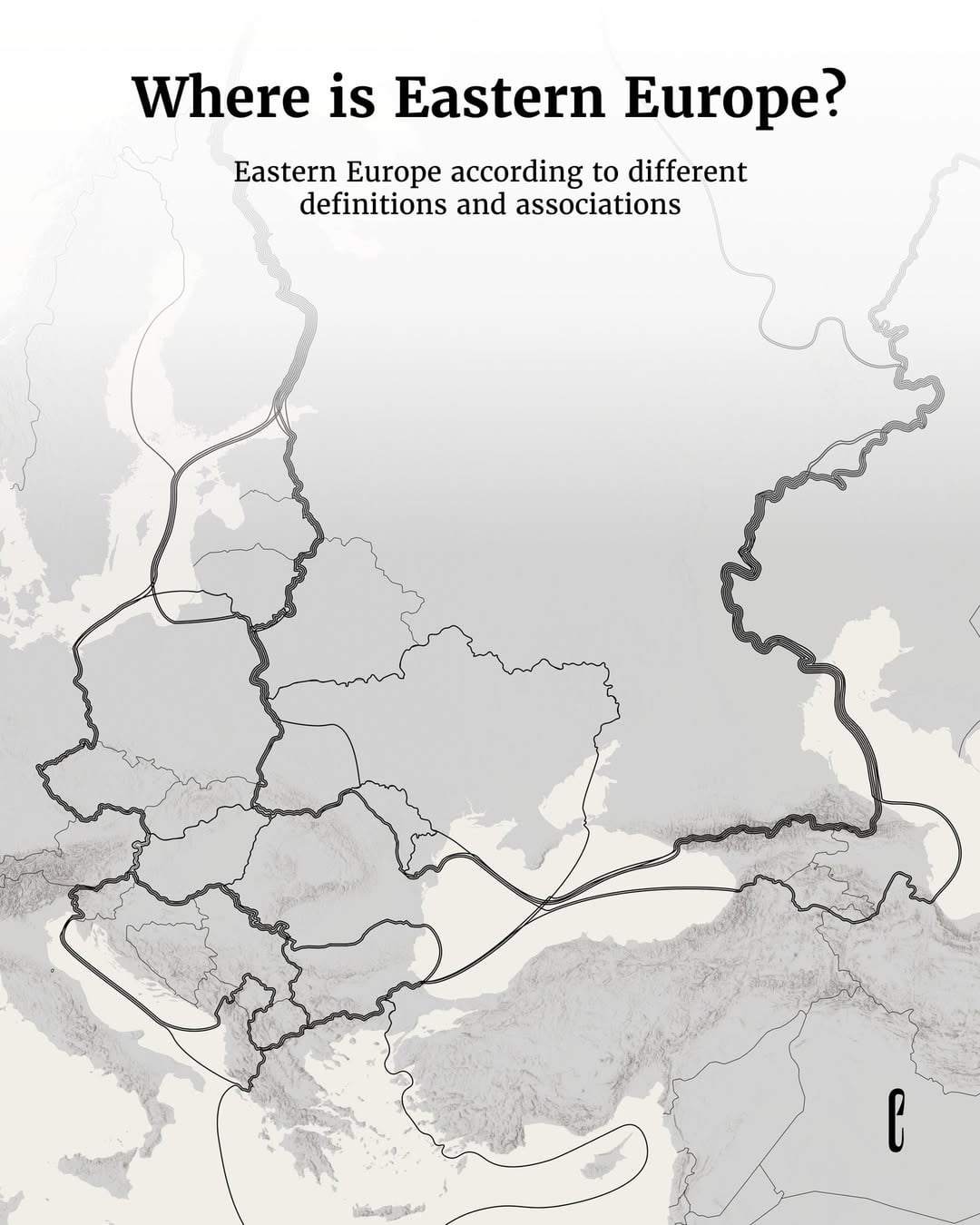
The first map brings all definitions together; the rest highlight varying interpretations of what Eastern Europe is.
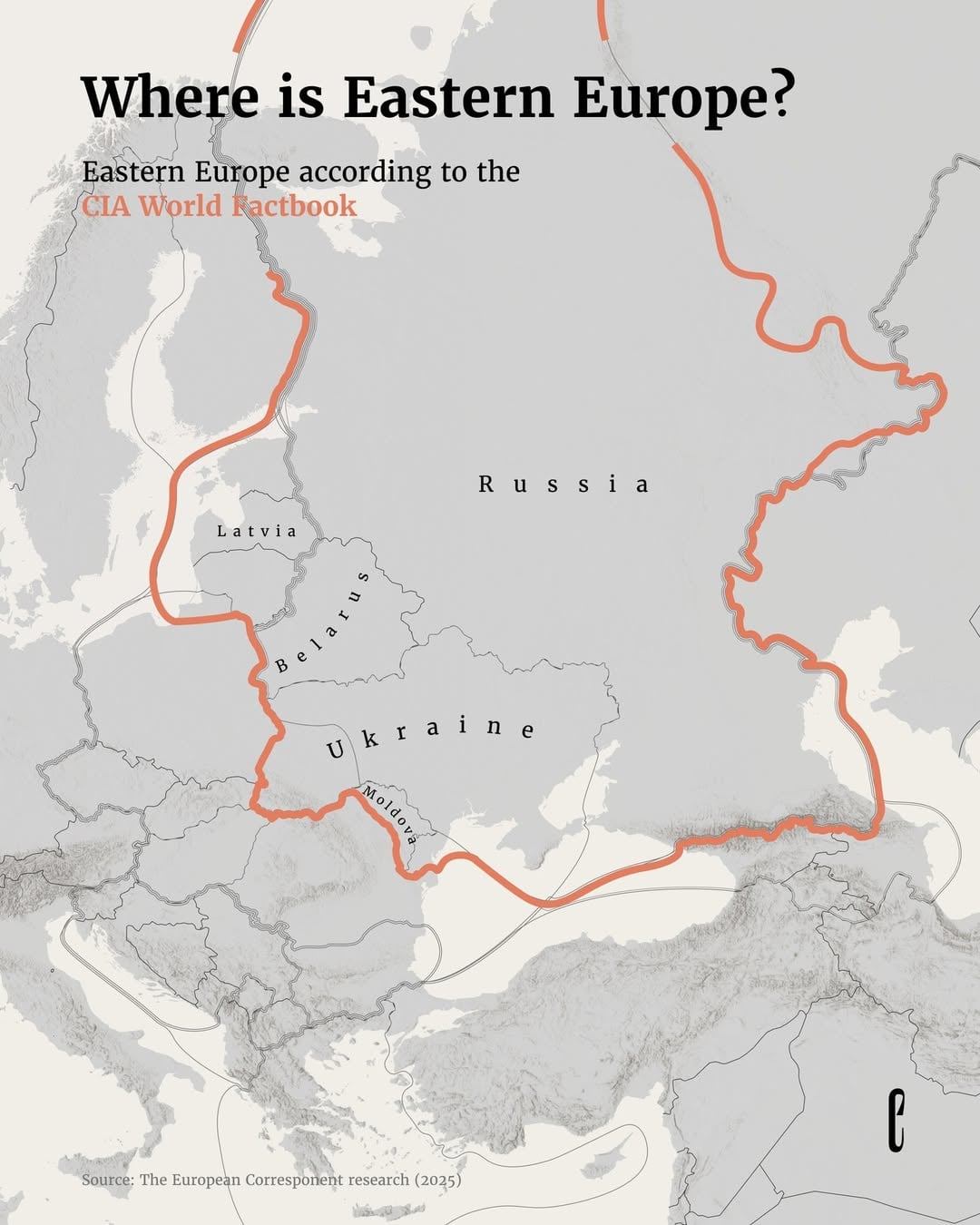
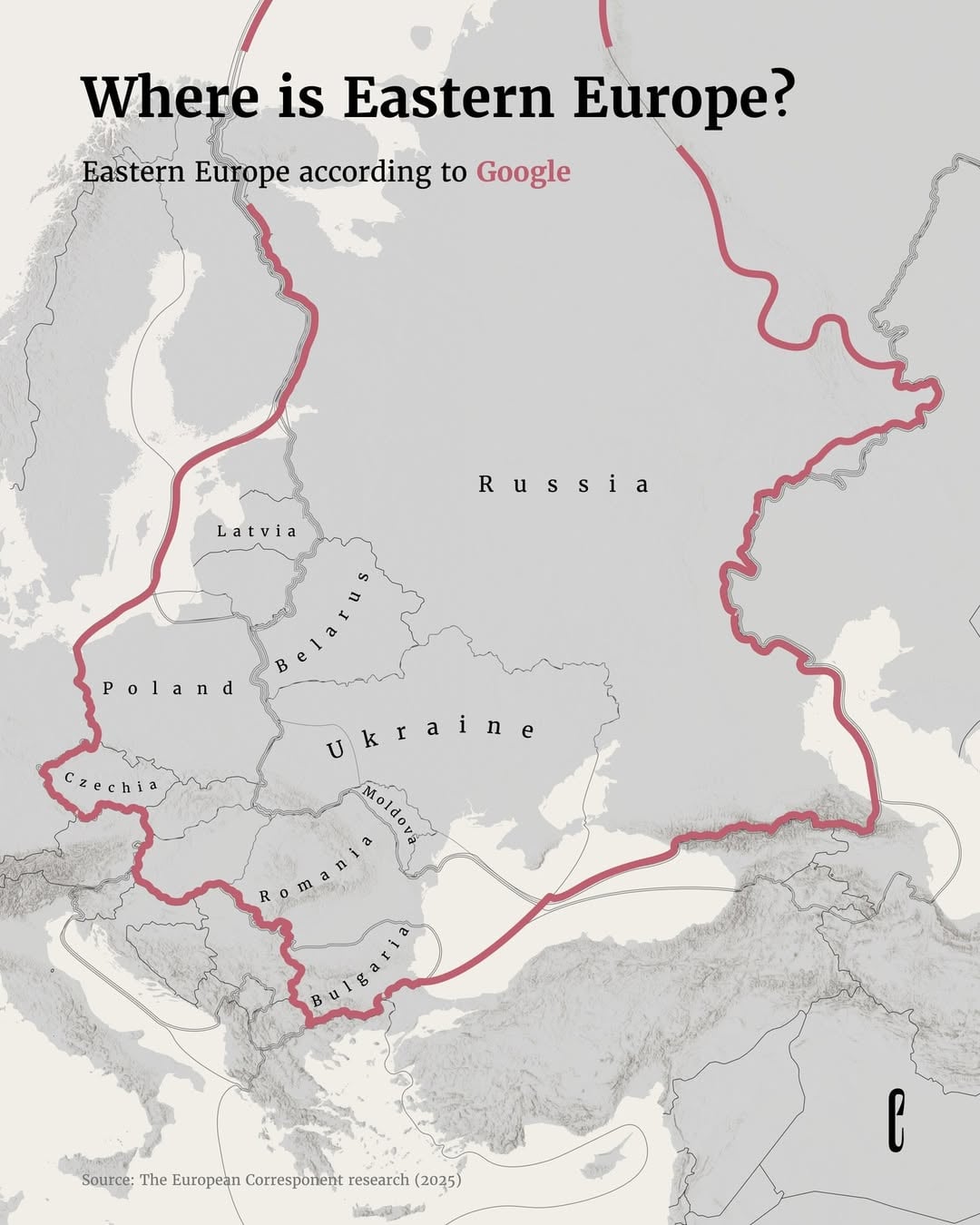
The CIA World Factbook uses one of the narrowest definitions, limiting Eastern Europe to Russia, Belarus, Ukraine, Moldova, and the Baltic states. Google expands the region westward by adding much of Central Europe—a view that is still common in everyday use and often reflects the legacy of the former Eastern Bloc rather than a strictly geographical definition.
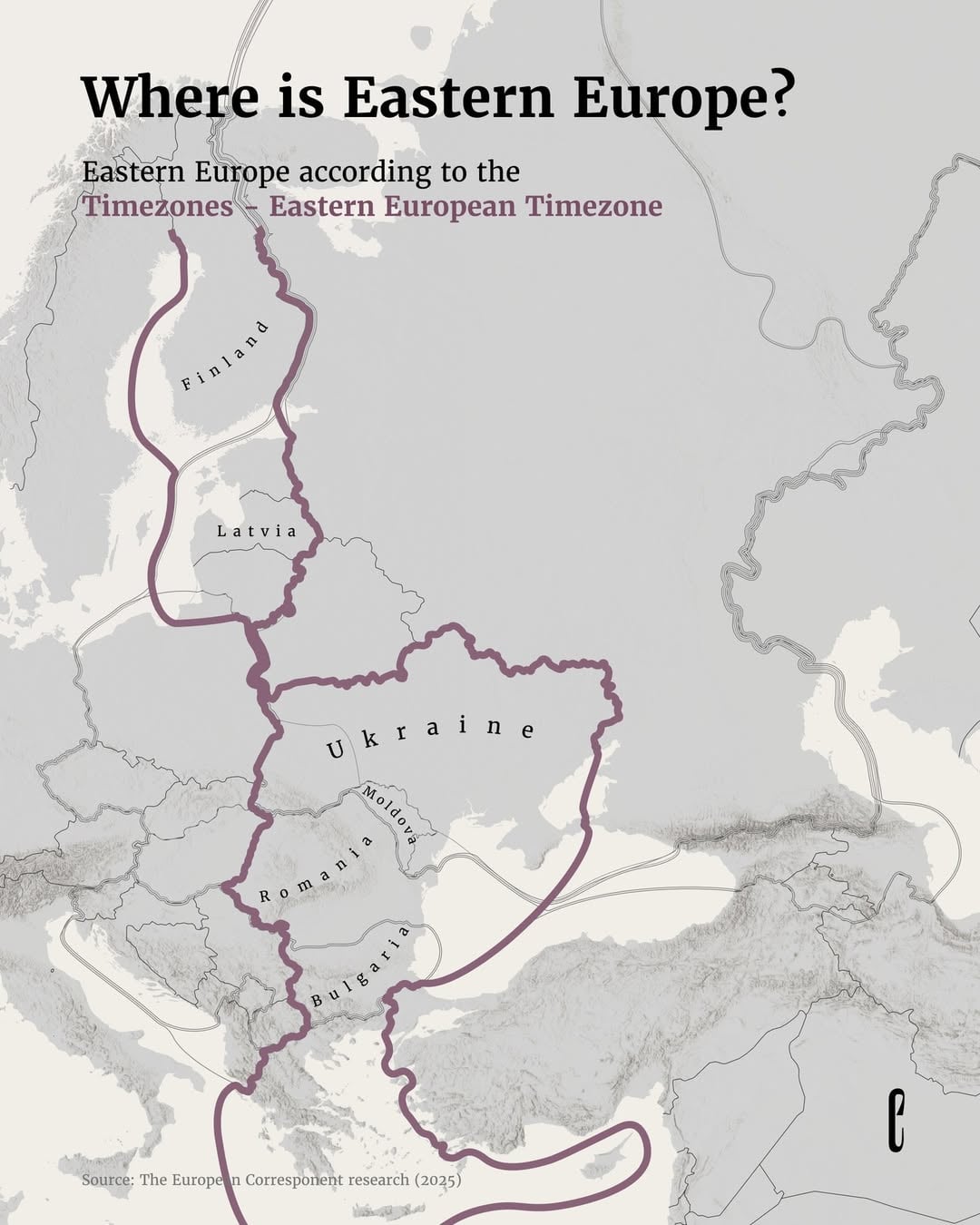
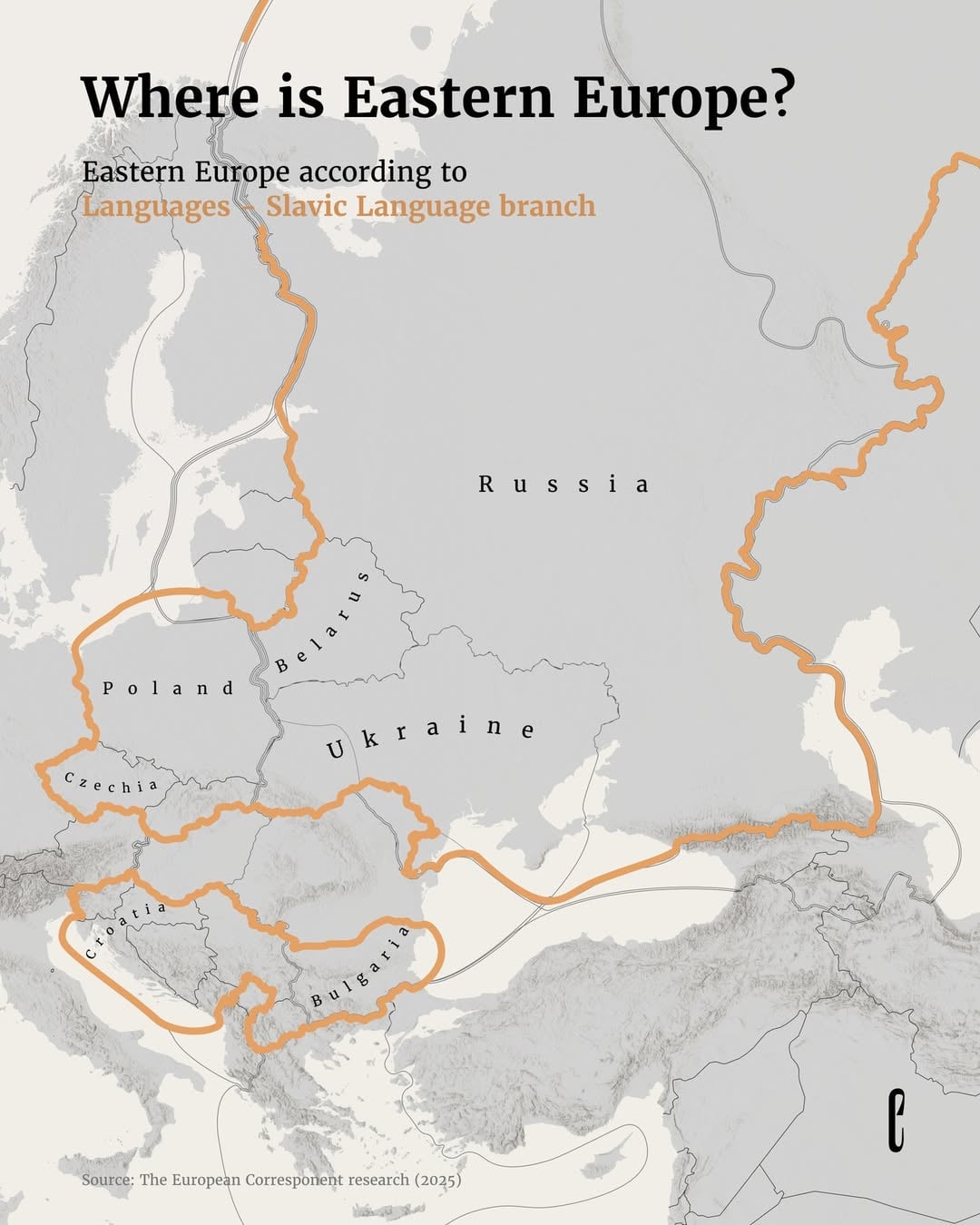
Some maps ignore modern political classifications to focus on alternative criteria. A look at time zones, for example, groups nations that share Eastern European Time, while a map of the Slavic language branch highlights linguistic and cultural connections extending deep into the Balkans.
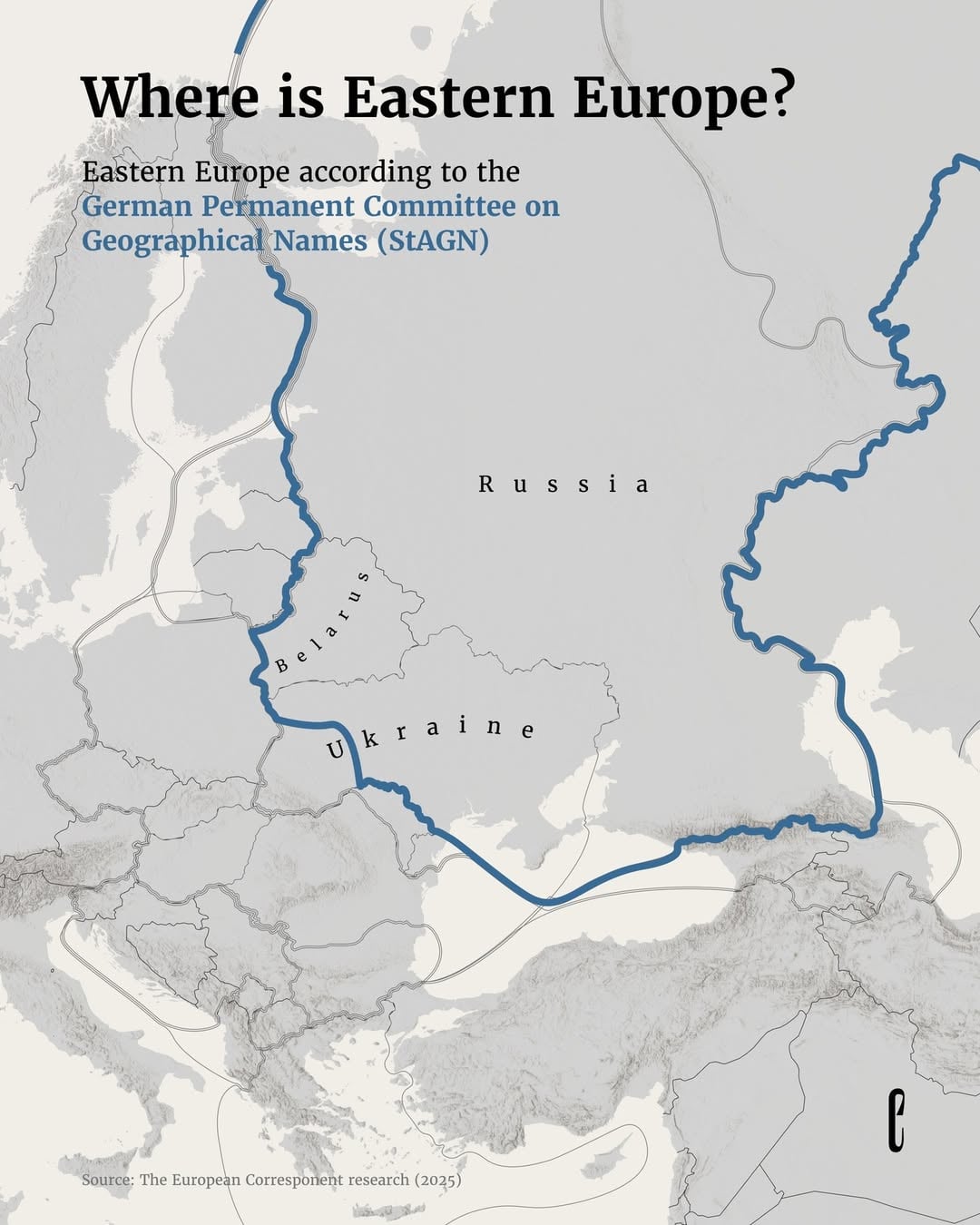
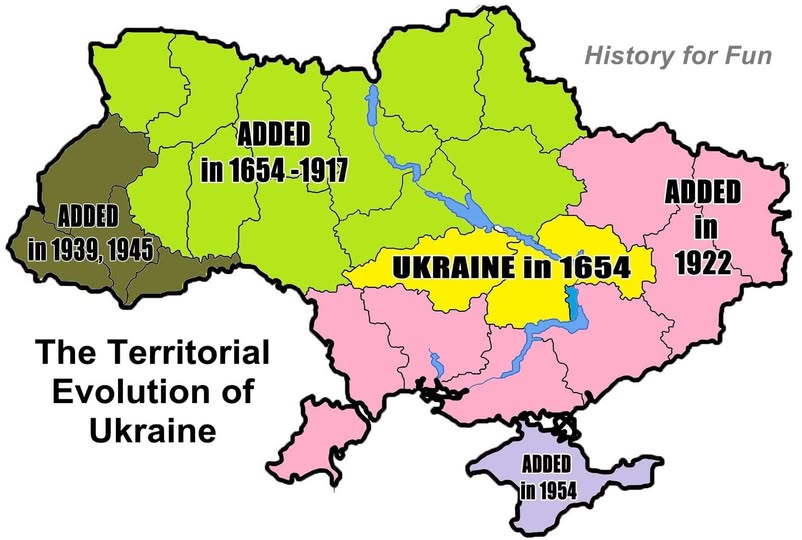
The German Permanent Committee on Geographical Names looks at Eastern Europe through a historical lens. Its boundary follows the territorial changes after World War II, treating the parts of western Ukraine that belonged to Poland before 1939 differently from the rest of the country.
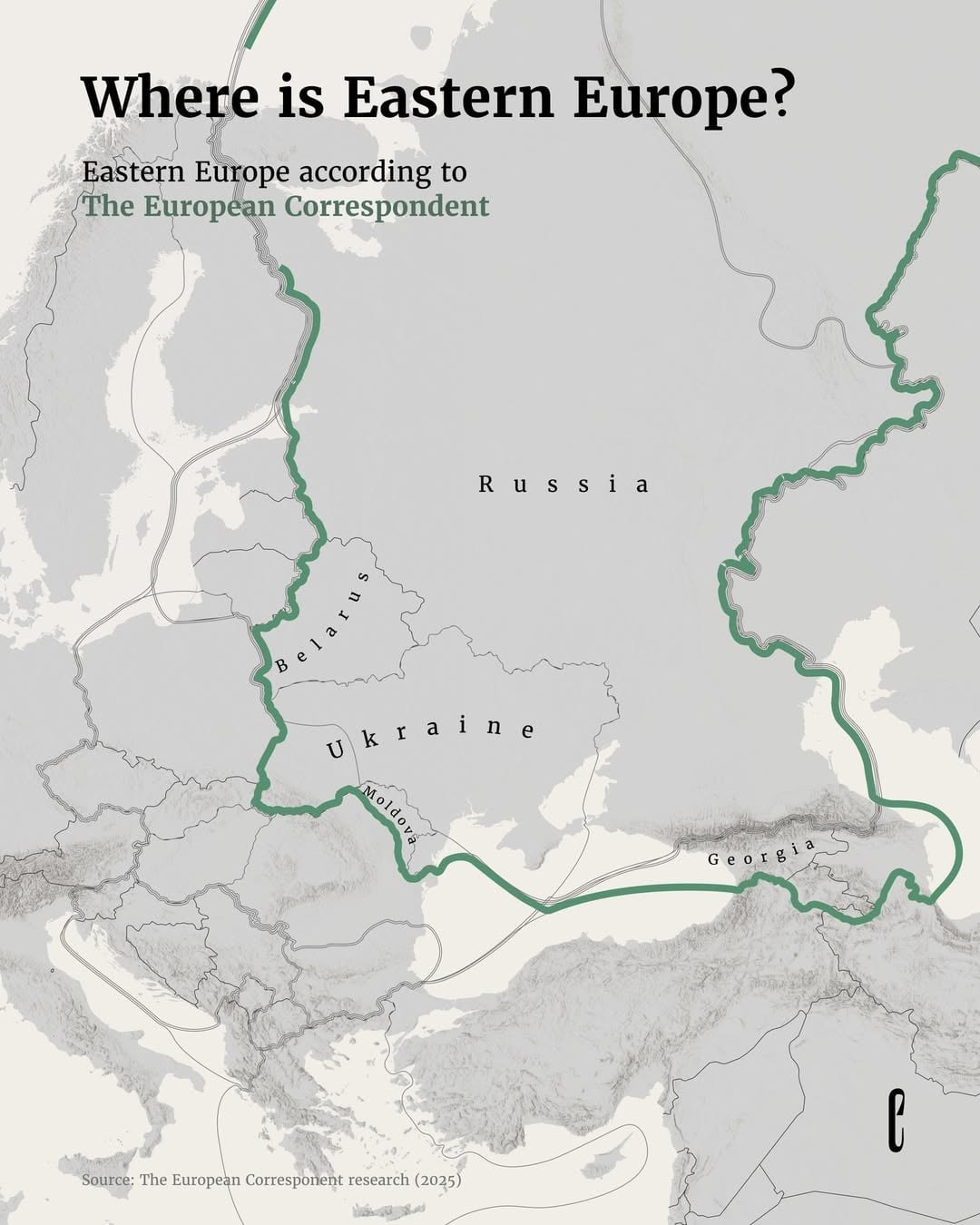
Finally, The European Correspondent offers its own interpretation by extending Eastern Europe into the South Caucasus, including Georgia, Armenia, and Azerbaijan along with Belarus and Ukraine.
Seen together, these maps show that Eastern Europe (like Central Europe) is first and foremost a historical and cultural concept. Geography gives us a starting point, but Eastern Europe’s definition is really built on centuries of changing borders, politics, and shared culture.