The Contested Crown: Britain’s Ever-Changing Second City
From industrial giants to imperial centers, discover the remarkable cities that have competed for the prestigious “Second City” status throughout British history.
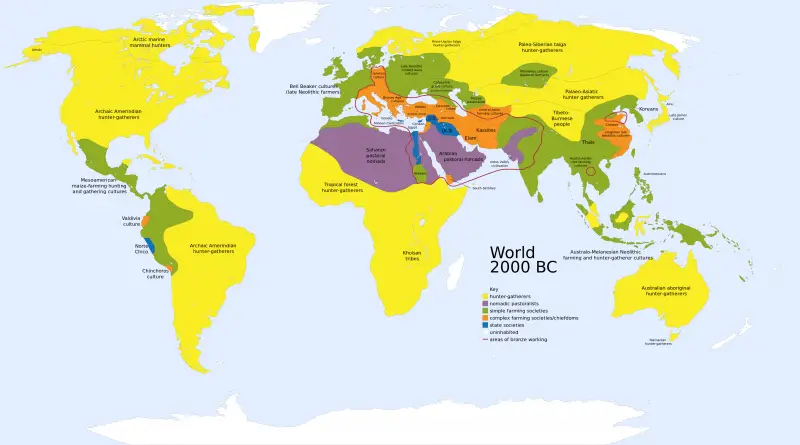
Read MoreHistorical maps showing territorial changes of countries and historical events of the past.
From industrial giants to imperial centers, discover the remarkable cities that have competed for the prestigious “Second City” status throughout British history.
Read MoreOperation Barbarossa was the invasion of the USSR by Nazi Germany and many of its Axis allies, starting on Sunday, 22 June 1941, during World War II. The military operation, codenamed after Frederick Barbarossa (“red beard”), a 12th-century Holy Roman emperor and German king, put into activity Nazi Germany’s ideological goal of occupying the western USSR to repopulate it with Germans.
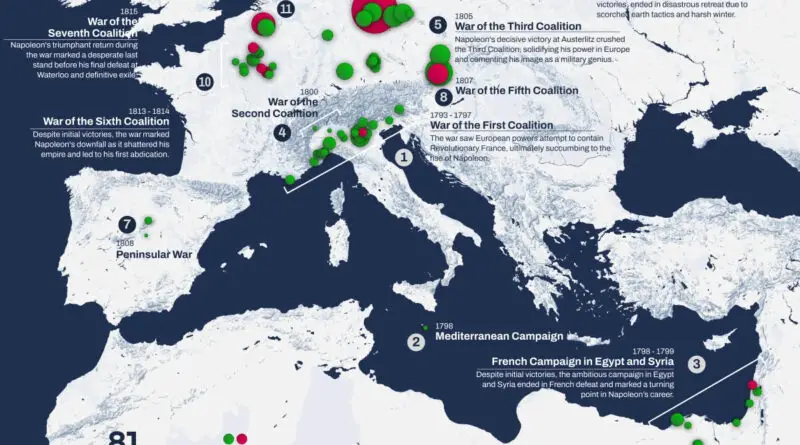
Read MoreA revealing look at military involvement across Europe since 1945, highlighting surprising statistics about which nations have participated in the most conflicts. The data shows stark contrasts between major powers and neutral states.
Read MoreWhy do countries change their names? Explore the fascinating reasons behind national rebranding, from independence to cultural identity, with real-world examples and maps.
Read MorePlace names are more than mere labels on a map—they are living markers of history, culture, and identity. Africa, with
Read MoreIs it possible to show everything that has happened in world history on one map poster? The diagrams below are excellent attempts to depict countries and their time of existence and the lifetime of influential historical figures on one map.
Read MoreImagine history as a series of TV shows. Some nations had blockbuster openings, others suffered from bad sequels, and a few experienced disastrous reboots. Here’s how history would look if countries were TV franchises.
Read MoreAt its peak, the Roman Empire had a population of about 70 million and a population density of nearly 16 people per sq km (~ 41 people per sq mi). Opposite to the European nations of medieval times, the Roman Empire had extraordinarily high urbanization rates.
Read MoreMany ancient Greek cities continue to thrive today. In this post, we explore the locations of these cities, from the bustling streets of Alexandria to the serene landscapes of Corfu, blending history with modern-day life.
Read MoreThe Russian Civil War gave rise to a mosaic of ephemeral states—some driven by nationalism, others by revolutionary zeal or sheer survival. From Cossack republics to anarchist enclaves, these fleeting entities reveal the turbulence of a collapsing empire. Explore their dramatic stories and lasting legacies.
Read More