Former European Capitals
Many modern European countries have changed their capital cities throughout history for various political, cultural, and strategic reasons.
Read More
Historical maps showing territorial changes of countries and historical events of the past.
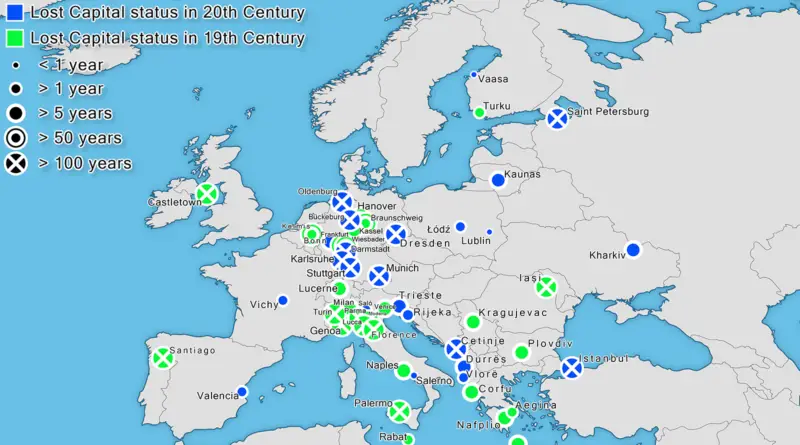
Many modern European countries have changed their capital cities throughout history for various political, cultural, and strategic reasons.
Read More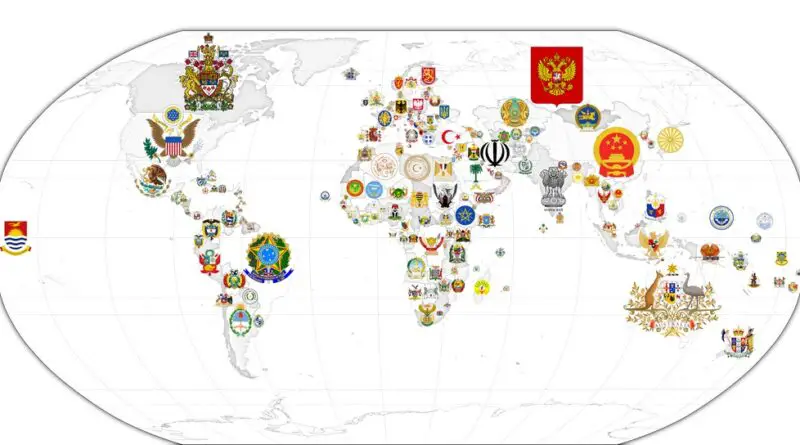
Embark on a colorful journey through history as we explore the world’s coats of arms. From their origins in medieval Europe to today’s diverse national emblems, discover the stories behind these fascinating symbols of identity and heritage across our global map.
Read More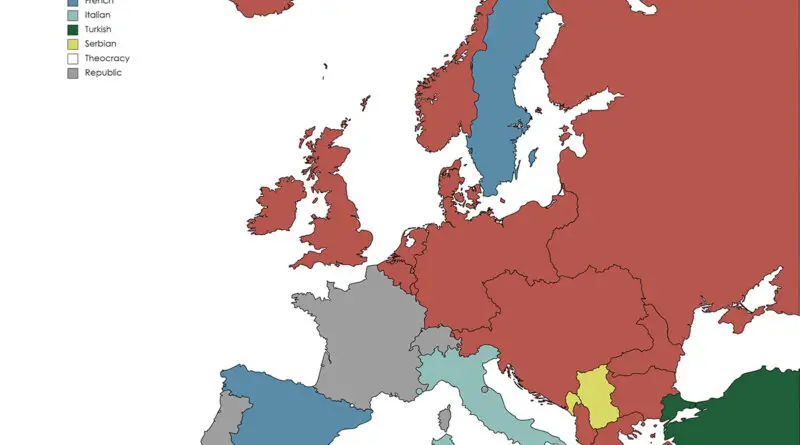
The year 1914 was a significant turning point for many European monarchies, as it marked the beginning of World War I, a conflict that had profound implications for the existence and stability of many monarchies.
Read More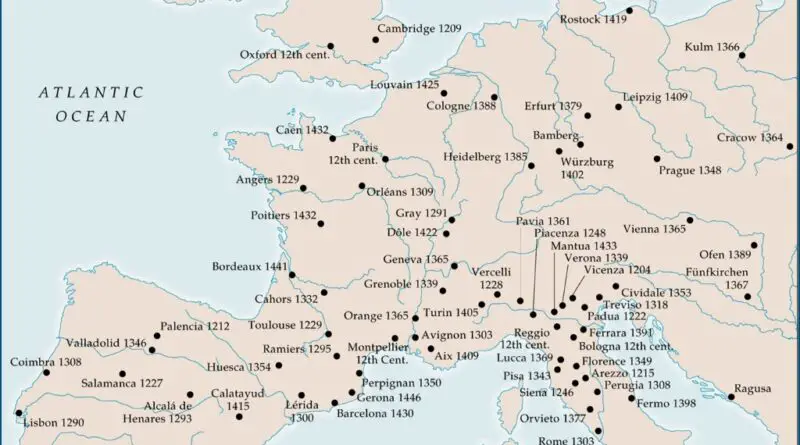
Medieval universities in Europe were key institutions of higher learning that emerged during the Middle Ages, roughly spanning from the 5th to the 15th century. These institutions laid the foundation for modern education systems and played a crucial role in shaping various fields of study, religious thought, and societal structures.
Read More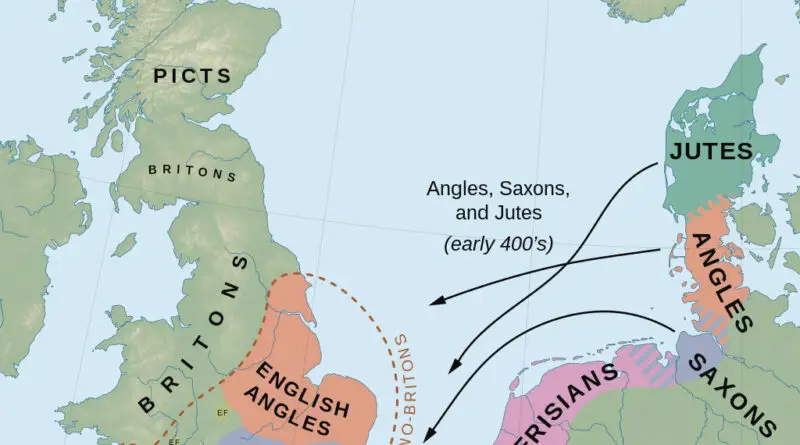
The migration of the Angles, Saxons, and other Germanic tribes to Britain is a pivotal event in the history of the British Isles. This migration, which took place during the early medieval period (roughly between the 5th and 7th centuries AD), significantly shaped the cultural, linguistic, and political landscape of the region.
Read More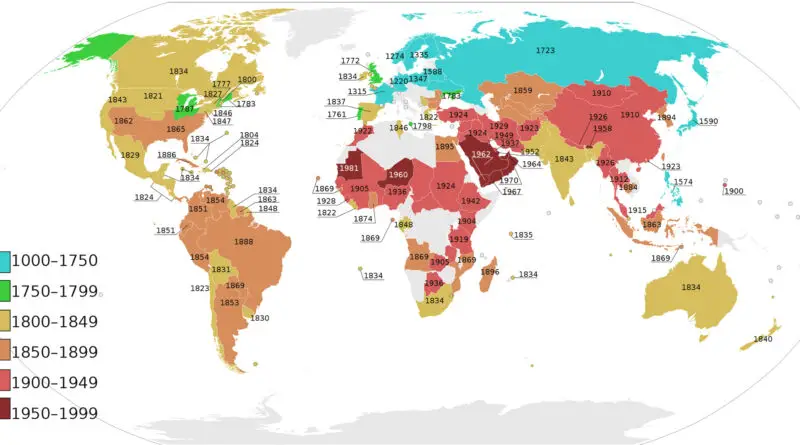
The abolition of slavery happened at different times in different nations. It often occurred consecutively over one stage–for instance, as the abolition of the trade of enslaved people in a specific country and then as the abolition of slavery throughout empires. Each step was usually the result of a separate law or action.
Read More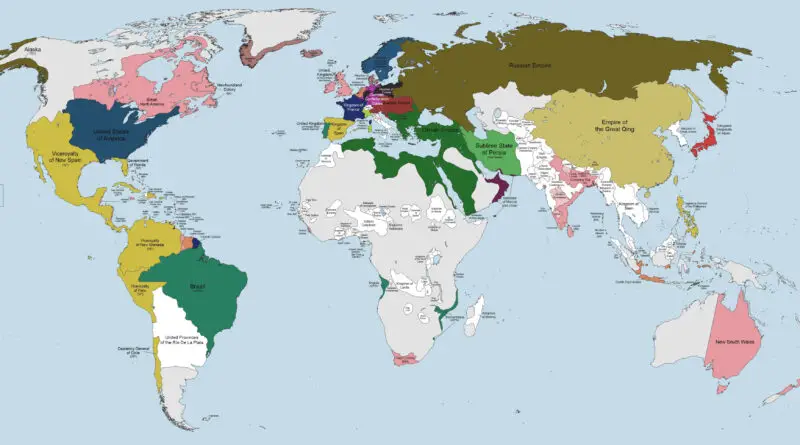
Although the world’s population only just reached 1 billion in 1804, on the world’s political map, one can find many countries whose borders differ little from those of modern nations.
Read More
Money and power walk hand in hand. Over half of the faces on the world’s coin and banknote designs belong to monarchs or heads of government, making up 30.24% and 20.74%, respectively.
Read More
The Kingdom of France was ruled by the Capetian dynasty, which began in the late 10th century. In 1030, Robert II, also known as Robert the Pious, was the reigning king. The Capetian kings faced difficulties in asserting their control over the numerous feudal territories and maintaining a centralized administration. The economy of the Kingdom of France in 1030 was predominantly agrarian.
Read More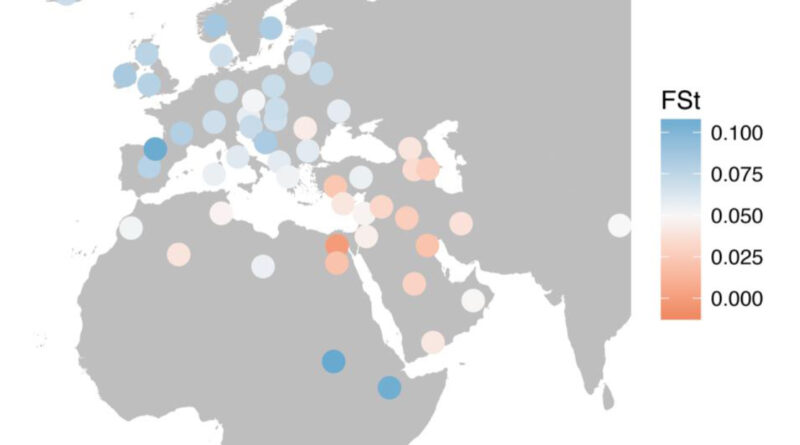
The ancient Egyptians were a civilization that flourished along the banks of the Nile River in northeastern Africa for thousands of years, with a history spanning from around 3100 BCE to 30 BCE. They left an indelible mark on human history through achievements in architecture, art, science, and governance. The ancient Egyptian society was structured, and its cultural and religious practices played a significant role in shaping daily life.
Read More