Population

Environment mapsPopulation

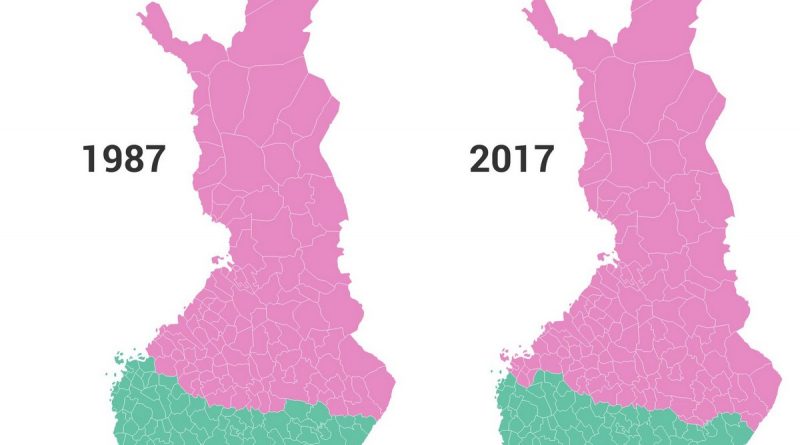
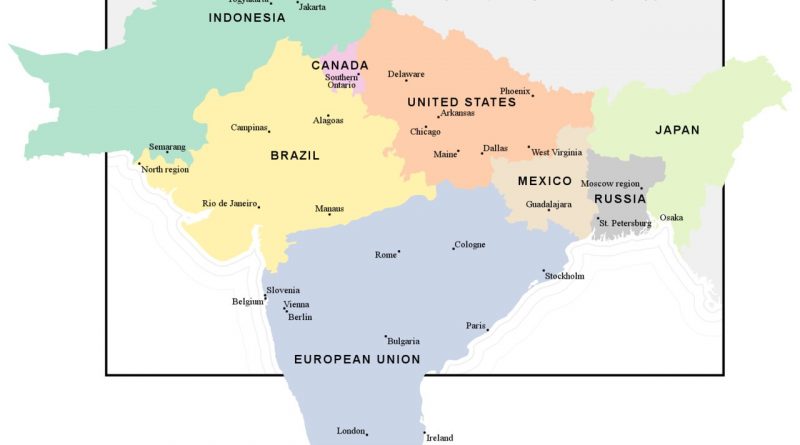
The areas where 95% of the population live

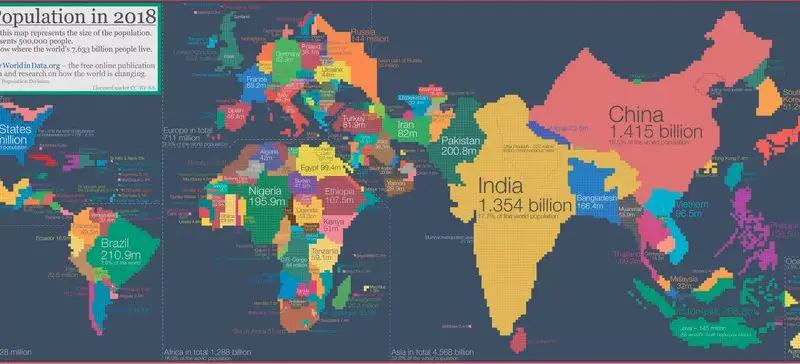
The global population is more than three times larger than it was in the mid-twentieth century. The world’s human population surpassed 8 billion in mid-November 2022 from an assessed 2.5 billion people in 1950, adding 1 billion people since 2010 and 2 billion since 1998. The global population is predicted to increase by nearly 2 billion persons in the next 30 years, from the present 8 billion to 9.7 billion in 2050 and could culminate at about 10.4 billion in the mid-2080s.

Read more: The areas where 95% of the population live
NewsPopulationVivid maps

Understanding White Non-Hispanic Americans: Demographics and Distribution

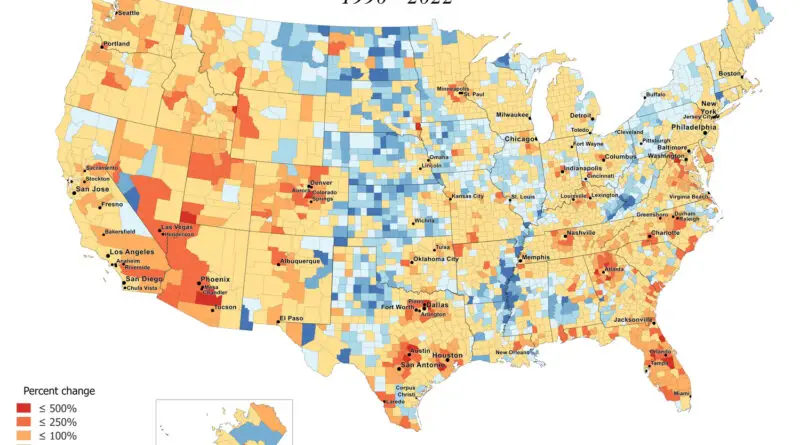
White non-Hispanic Americans are a significant part of the U.S. population. This article explores their distribution, states and counties with the highest and lowest percentages, and changes over time, supported by an animated map from 1990 to 2022. Discover fascinating insights and future predictions about this community.

Read more: Understanding White Non-Hispanic Americans: Demographics and Distribution
CitiesPopulation

The Population of Manhattan Mapped

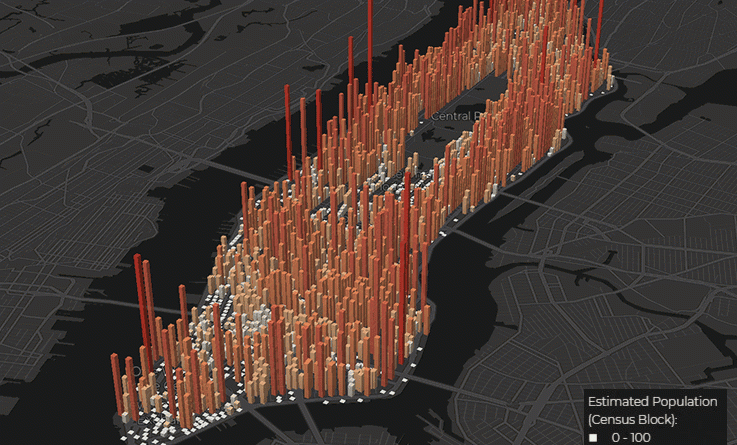
In 1910, Manhattan crammed 2.3 million residents into 22 square miles—a density the borough has never matched since. By 2025, the overnight population sits around 1.7 million. But Manhattan’s real story isn’t about who lives here anymore. Every weekday, the island swells to nearly 4 million people by early afternoon, then empties out again each night. Midtown hits densities comparable to Mumbai and Macau at peak hours, while neighborhoods north of Central Park lose residents during work hours. Maybe the question isn’t how many people live in Manhattan—it’s how many people Manhattan holds at any given moment.

Read more: The Population of Manhattan Mapped