Percent of People Speaking Primary Languages in India
Source: Geopolitical Futures
Read more: Percent of People Speaking Primary Languages in India
Source: Geopolitical Futures
Read more: Percent of People Speaking Primary Languages in India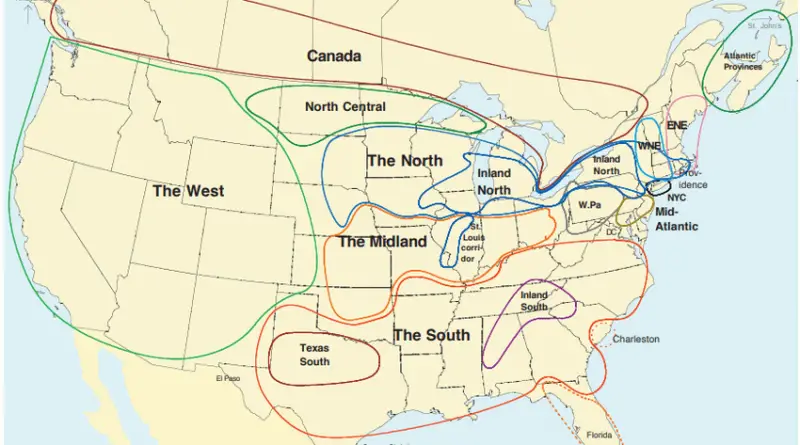
The English language’s historical evolution has made it the most broadly spoken language; besides, it has also led to appear many dialects. North American English comprises 3 varieties; the 1st one is generally known as U.S. English, the 2nd one is called Canadian English, and the 3rd one is the Caribbean English.
Read more: North American Regional Dialects & Accents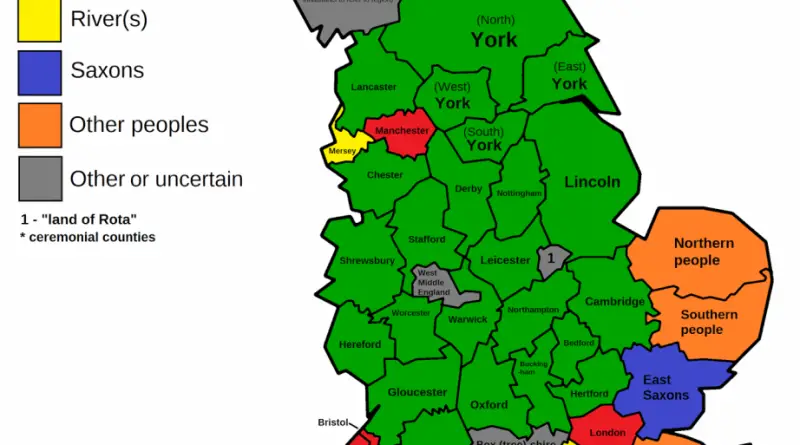
Reddit user: bezzleford
Read more: Name origin of English counties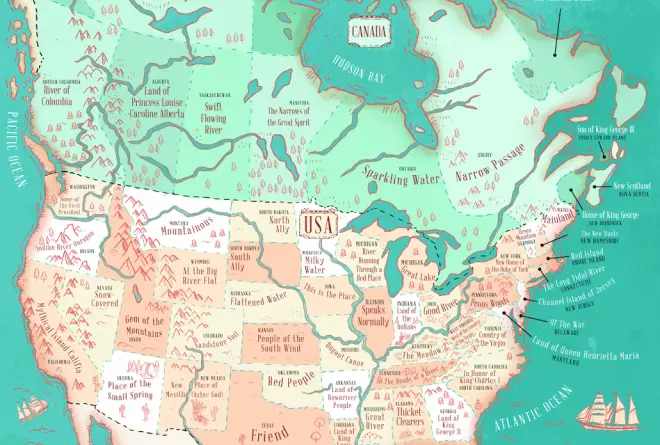
The literal translation of places in North America often reveals fascinating insights into the historical, cultural, or geographical features of these locations. Many places in North America derive their names from indigenous languages, European explorers, settlers, or geographic characteristics. These translations can provide valuable context and enrich our understanding of the region’s heritage.
Read more: The literal translation of places in North America
From Nordic excellence to Mediterranean progress – see how English speaking skills have evolved across Europe in recent years, backed by EF EPI data.
Read more: English Proficiency in Europe
ETYMOLOGY & EXPLANATION From Turkey The guineafowl, a bird from Africa, was imported into Europe I by Turkish merchants. This
Read more: The word ‘Turkey’ (the bird) in various European languages
The amazingly diverse languages of Africa. This a continent with a very high linguistic diversity, there are an estimated 2200
Read more: Detailed map of Africa’s languages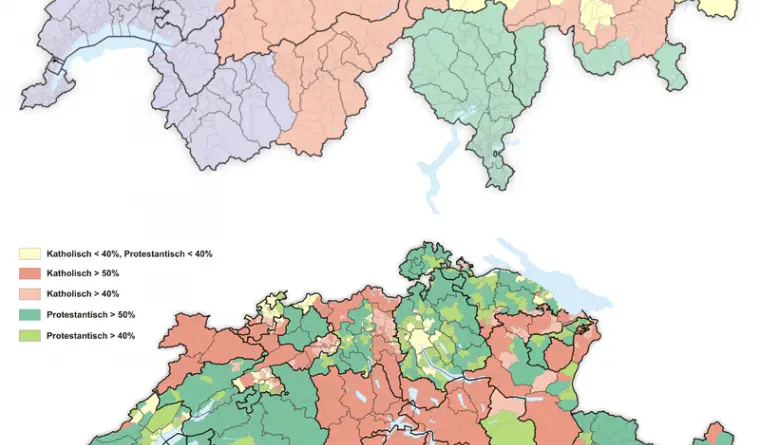
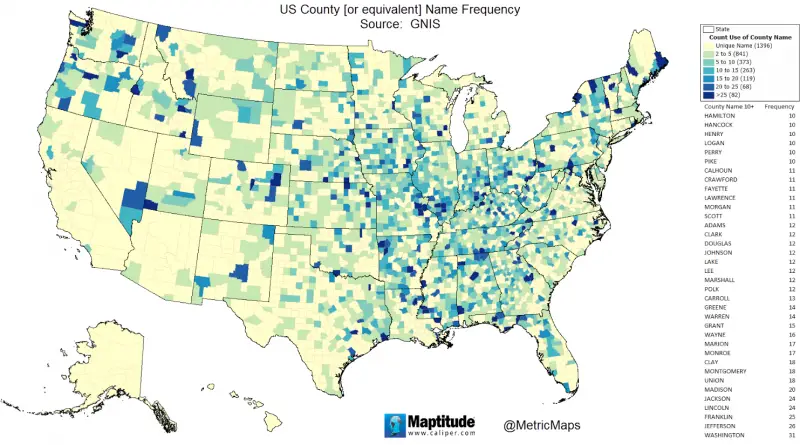
Source: www.metricmaps.com
Read more: U.S. county name frequency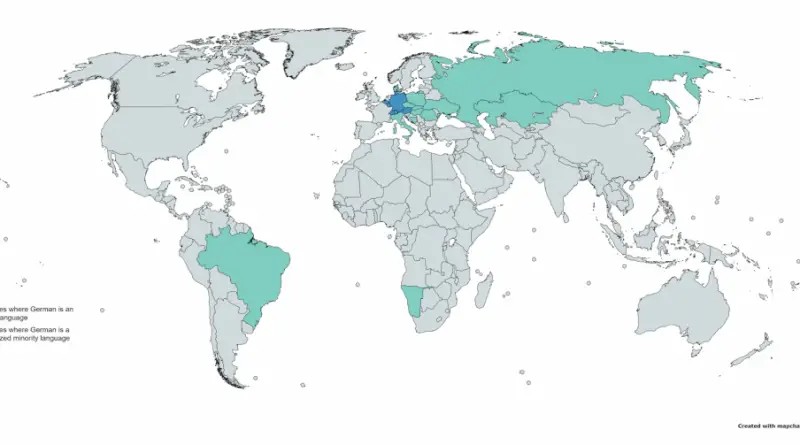
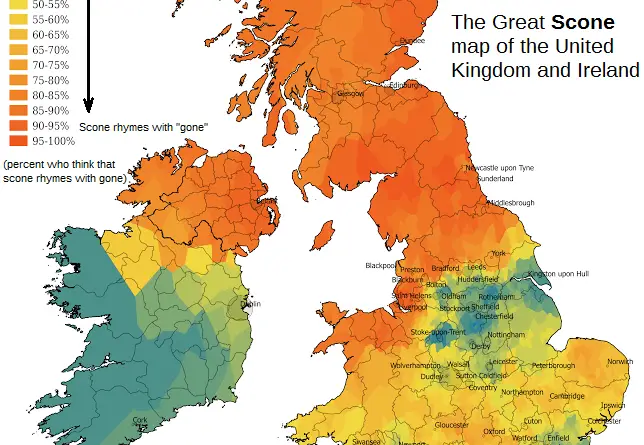
Anyone from the United Kingdom knows that the no.1 cause of family feuds is over the pronunciation of “Scone”. Reddit
Read more: The Great Scone map of the UK and Ireland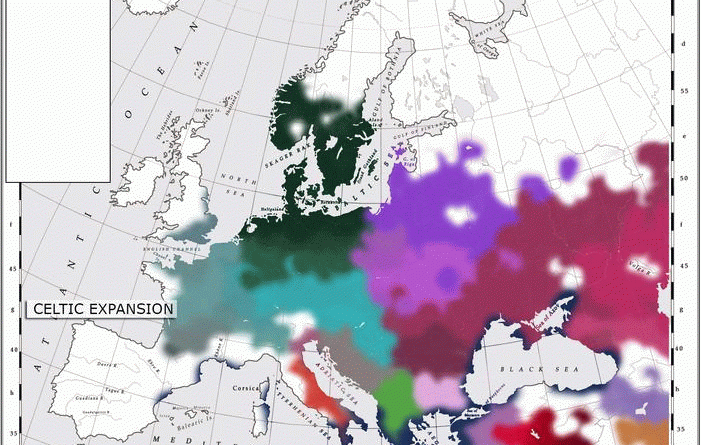
The evolution of Indo-European languages in Europe reflects the intricate interplay of historical events, cultural exchanges, and the dynamic nature of human communication. It is an ongoing process, with modern languages continuing to adapt and transform, influenced by globalization, technological advancements, and shifting societal norms.
Read more: Evolution of Indo-European languages