The most attractive accents in the British Isles
YouGov asked British adults to say whether they think each of the 12 main accents of the British Isles are
Read more: The most attractive accents in the British Isles
YouGov asked British adults to say whether they think each of the 12 main accents of the British Isles are
Read more: The most attractive accents in the British IslesFootballers and hip-hop artists are the most popular people googled in Africa, this according to data provided to TIME by
Read more: Which person your African country googled the mostCrime denotes an unlawful act punishable by a state.The most popular view is that crime is a category created by
Read more: Crime Index by country (2016)Sea level anomalies from February 12-22, 2016. The U.S./European Jason-3 satellite has produced its first map of sea surface height,
Read more: First map of sea surface height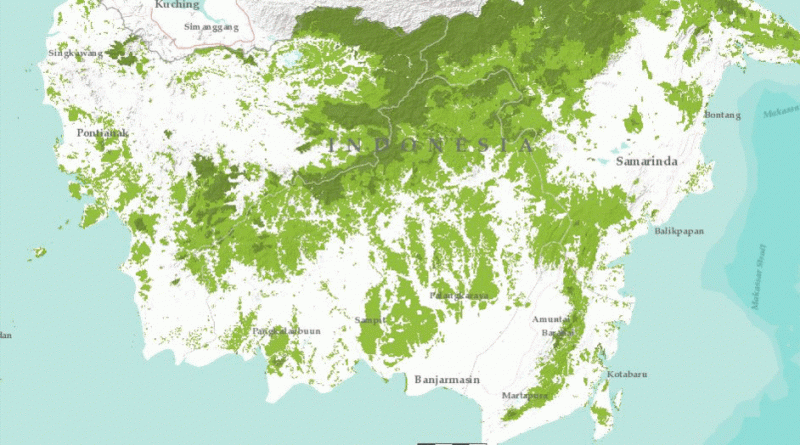
Kalimantan: Remaining forest cover (green), palm oil concessions (blue), coal mining (purple), forest fires over the past 12 months (orange
Read more: Mapping Indonesia’s fires and logging rights
Anatolia, also known as Asia Minor, is a large peninsula in Western Asia, constituting the majority of present-day Turkey. It has been a cradle of civilization for millennia, with a rich and diverse history. Anatolia has been home to numerous ancient civilizations, including the Hittites, Phrygians, Lydians, Greeks, Romans, and Byzantines. It served as a vital crossroads between Europe, Asia, and Africa, facilitating trade, cultural exchange, and the spread of ideas. The region’s strategic significance has made it a battleground for various empires and civilizations throughout history.
Read more: Map of Anatolia and its Surroundings by Ethnicity Through TimeA refugee is a person who is outside their country of citizenship because they have well-founded grounds for fear of
Read more: Refugee population by country of asylumLIFE made up these unique maps which reveal for the first time how the ocean floors would look if the
Read more: The New Portrait of our Planet, published in LIFE magazine (1960)