Where 300 Million People Celebrate New Year in March
Around 300 million people don’t celebrate New Year on January 1st—they wait for March 20 or 21 when spring begins.
Read More
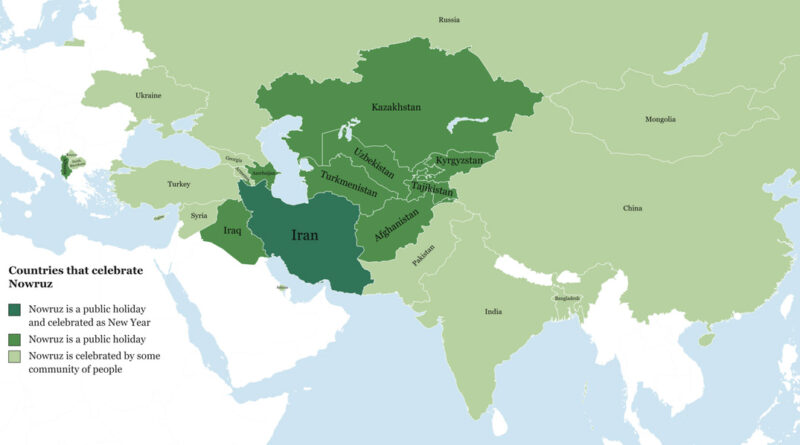
Around 300 million people don’t celebrate New Year on January 1st—they wait for March 20 or 21 when spring begins.
Read More
Explore Iran through insightful maps. From its shifting borders and climate to its ethnic, linguistic, and religious diversity
Read More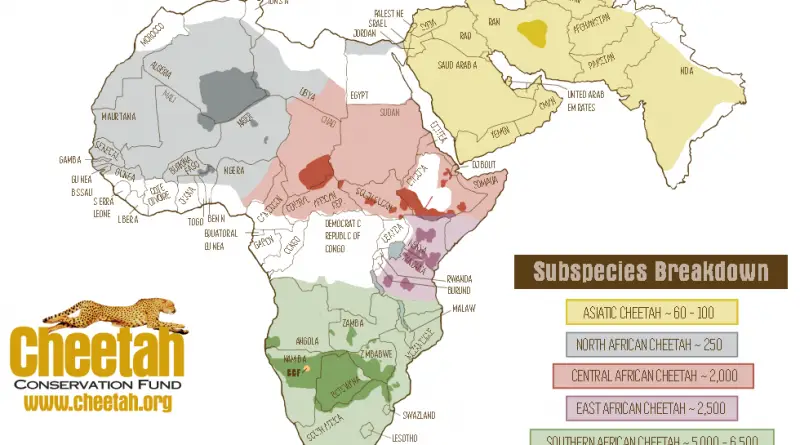
Once widespread, cheetahs now occupy only a fraction of their historic range. Learn about the distribution of cheetah subspecies, why their numbers are declining, and what’s being done to save them.
Read MoreIran’s climate is far more varied than you might think. This post explores how geography divides the country into cold mountains, dry deserts, humid coasts, and more—all shown on a detailed map.
Read More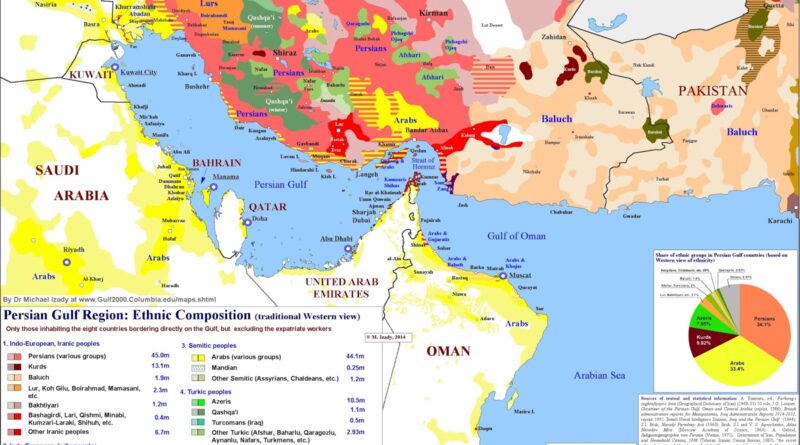
The Gulf region is more than oil and shipping lanes. It’s an arena of ethnic diversity. Using Dr. Michael Izady’s Gulf/2000 map, we explore how Persians, Arabs, Kurds, Azeris, and others share the coastline.
Read More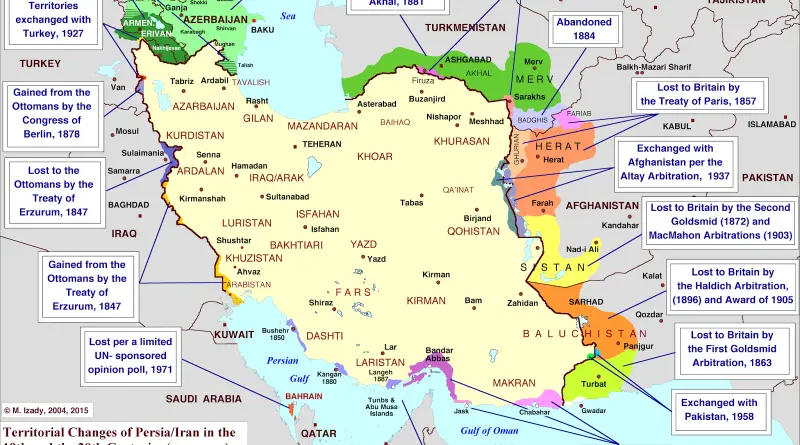
Take a closer look at how Iran’s borders changed over time. This map highlights what the country lost—and why it happened—with historical facts and treaty details that shaped today’s Iran.
Read More
Iran is often described as Persian and Shia, but that’s only part of the story. Explore how ethnic groups, languages, and religions vary across the country—and what it means today.
Read MoreA proxy war in the Middle East.
Read More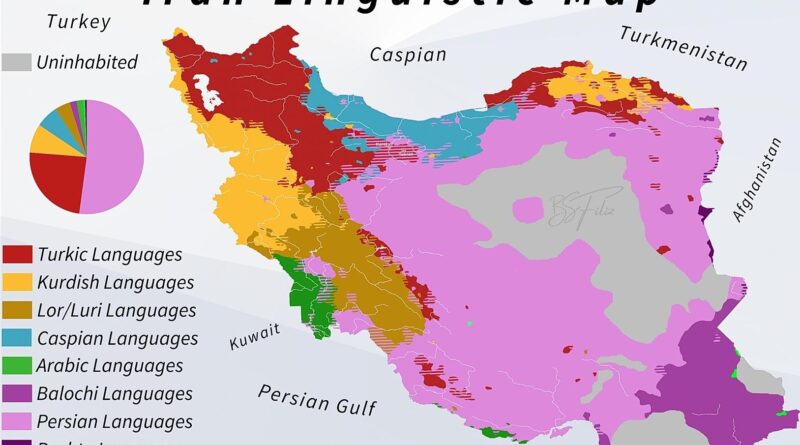
A fresh look at Iran’s many languages and their broader connections. From Persian to Kurdish and beyond, explore how Iranic languages stretch across much of the Middle East and Central Asia.
Read More