Scottish Index of Multiple Deprivation (2016)
Source: http://simd.scot/2016/#/simd2016/BTTTFTT/7/-3.8573/57.3959/
Read more: Scottish Index of Multiple Deprivation (2016)
Source: http://simd.scot/2016/#/simd2016/BTTTFTT/7/-3.8573/57.3959/
Read more: Scottish Index of Multiple Deprivation (2016)The most friendly countries: 1. Taiwan2. Uganda3. Costa Rica4. Mexico5. Colombia6. Oman7. Philippines8. New Zealand9. Vietnam10. Portugal The least friendly
Read more: The friendliest countries in the world to expats“Water flows” does not only refer to the hydrological processes related to natural watercourses. The project also answers the following
Read more: A German water balance892 Hate Groups are currently operating in the United States.
Read more: Hate groups in the USThe high-injury corridor analysis was conducted by SFDPH in collaboration with SFMTA on behalf of the Citywide Vision Zero Task Force in Fall 2014,
Read more: High Injury Network San Francisco Map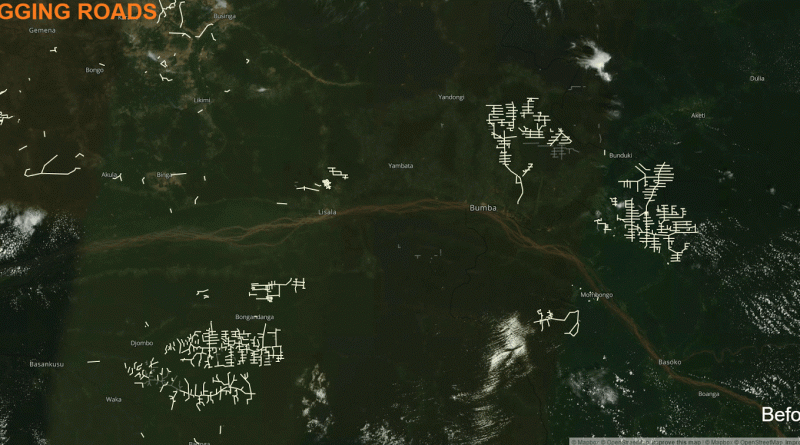
Map for Environment combines OpenStreetMap mapping tools with satellite imagery and location data of known logging, industrial agriculture, dam, and
Read more: Map for Environment: Logging roads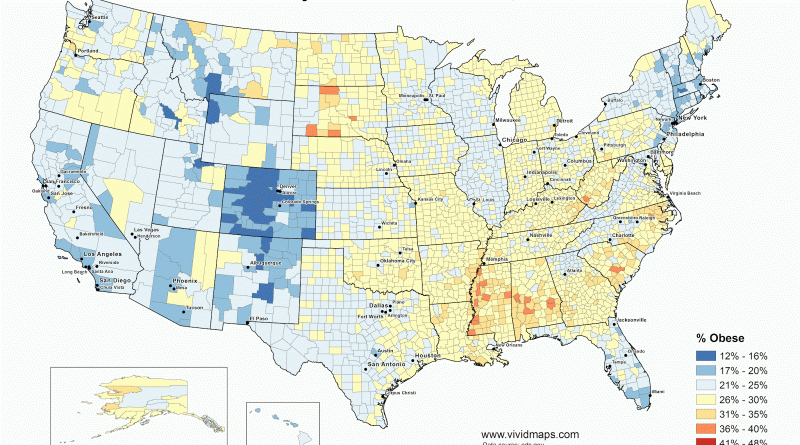
Obesity in the U.S. is a significant health problem following various diseases diabetes, stroke, coronary artery disease ext. Obesity is contributing factor to about 112 thousand deaths in the U.S. per year.
Read more: Obesity prevalence in the United States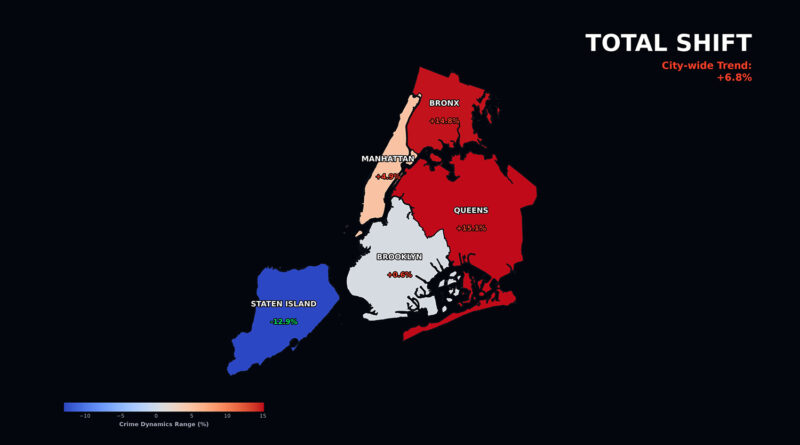
NYC complaints fell almost every year from 2006 to 2020, then reversed hard. By 2024 the citywide total had passed its 2006 starting point, and four of the five boroughs now stand higher than they did 20 years ago.
Read more: NYC Complaints Fell for a Decade, Then Passed 2006 Levels
Climatemaps is an interactive map of global monthly mean climate data from land observations between 1961 and 1990. Temperature Precipitation
Read more: Climate maps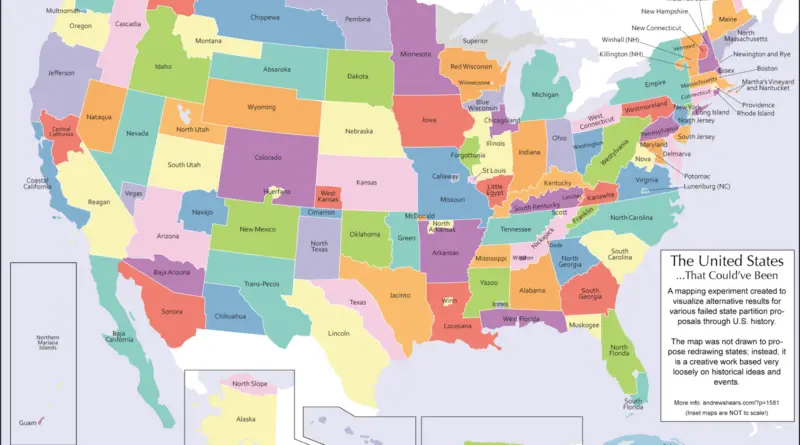
Dive into a fascinating reimagining of the United States map, where historical breakaway plans and state partition proposals succeeded. This alternative geography offers a captivating glimpse into what might have been, challenging our perceptions of national boundaries and identity.
Read more: The United States That Could Have Been: A Captivating Alternative Map