Economic maps

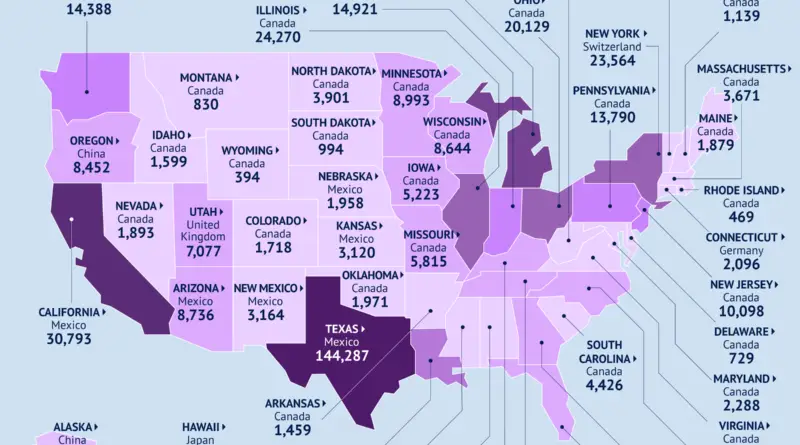
Maps Reveal Each U.S. state’s Biggest Export – and Where It’s Shipped to

In 2022, the U.S. trade deficit reached nearly $1 trillion, as imports exceeded exports by $948.1 billion—a $103 billion increase from the previous year. This surge coincided with U.S. and its partners’ initiatives to restructure global supply chains post-pandemic, addressing trade barriers, notably with China, where a trade deficit of $382.9 billion persists.

Read more: Maps Reveal Each U.S. state’s Biggest Export – and Where It’s Shipped to
HealthNewsVivid maps

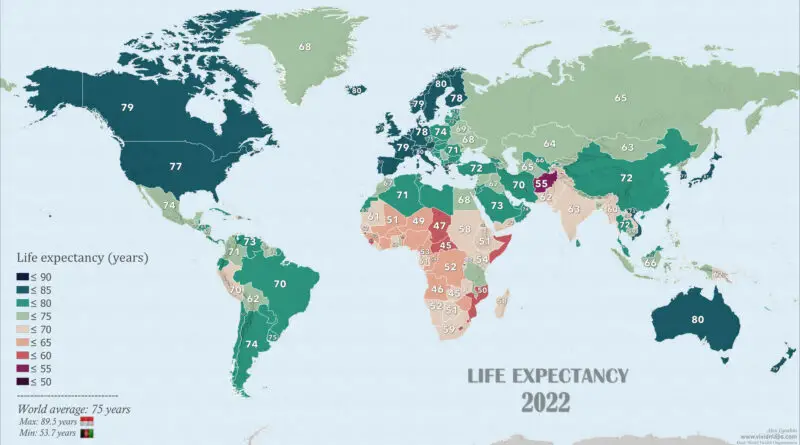
Life Expectancy Worldwide Mapped (2000-2022)

Global life expectancy has been on an upward trajectory, reflecting improvements in healthcare, sanitation, and living conditions. The world average life expectancy is around 75 years, according to data from the World Bank. However, significant disparities exist among regions and countries, with higher-income nations generally experiencing longer life expectancies than lower-income ones. Factors influencing life expectancy include access to healthcare, socioeconomic conditions, education, and lifestyle choices. Ongoing efforts to address public health challenges and enhance healthcare systems contribute to the overall improvement in life expectancy worldwide.

Read more: Life Expectancy Worldwide Mapped (2000-2022)
Political mapsWorld

The Most Influential Military Alliances in History

A military alliance is a strategic pact formed between two or more nations with the primary aim of mutual defense and security. These alliances often involve a commitment to support each other in times of conflict, with the collective strength of the member states serving as a deterrent to potential adversaries. Throughout history, numerous military alliances have emerged, shaped by geopolitical dynamics, shared interests, and common threats.

Read more: The Most Influential Military Alliances in History
Economic maps

The Cost of Taking a Shower by Country Mapped

In many parts of the world, taking a hot shower is a simple pleasure, leaving you refreshed and feeling good, while being considered good for your well-being. However, in some regions, the decision to indulge in a warm shower is far from straightforward. The equipment, water, and energy required for a hot shower can make it an economic luxury. According to our recent study conducted by the QS Supplies team, there are countries where taking a daily shower throughout the year would consume a third or more of the average local’s annual income.

Read more: The Cost of Taking a Shower by Country Mapped
Cultural cartography

Mapped: What the Boogeyman Looks Like Across the Globe

Around the world, there are mythical creatures meant to scare children into doing the right thing and behaving well. However, often they become the subject of terrifying nightmares. The Boogeyman. Krampus. Ninki Nanka. These frightening creatures are found all over the world, where they are available to enforce discipline when necessary. 

Read more: Mapped: What the Boogeyman Looks Like Across the Globe
Linguistic maps

The Fascinating World of British English Dialects: A Journey Through the United Kingdom Map

Dive into the fascinating world of British English dialects as we explore Ryan Starkey’s incredibly detailed United Kingdom map. Uncover the historical roots of Britain’s linguistic diversity, learn about changing dialect trends, and discover some of the most challenging accents in the British Isles. Whether you’re a language enthusiast or planning a trip to the UK, this journey through Britain’s dialects offers invaluable insights into the country’s rich cultural tapestry.

Read more: The Fascinating World of British English Dialects: A Journey Through the United Kingdom Map
Historical Maps

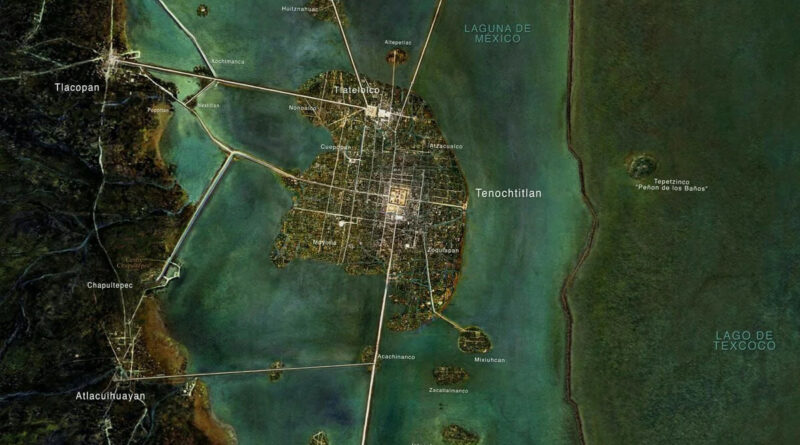
Tenochtitlan (Mexico City) in the 14th Century

Tenochtitlan, the capital of the Aztec Empire, was a magnificent and advanced city in the 14th century. Situated on an island in Lake Texcoco in the Valley of Mexico, the city was known for its impressive architecture, complex network of canals and causeways, and thriving markets. The layout of Tenochtitlan featured wide avenues and canals, making it a unique urban center of its time. At its heart stood the Templo Mayor, a massive pyramid dedicated to the god Huitzilopochtli, adorned with intricate stone carvings and sculptures. Nearby was the Templo de Tlaloc, honoring the rain god Tlaloc.

Read more: Tenochtitlan (Mexico City) in the 14th Century