Billionaire Islands Compared on the Map
The wealthiest don’t stop at owning vast ranches – they buy entire islands. This post maps and compares billionaire islands around the world, with sizes, costs, and owners side by side.
Read MoreThe wealthiest don’t stop at owning vast ranches – they buy entire islands. This post maps and compares billionaire islands around the world, with sizes, costs, and owners side by side.
Read MoreA map comparing the historic and current range of the giant panda shows how much its world has shrunk.
Read MoreWritten around 150 CE, Ptolemy’s Geographia listed about 8,000 places with coordinates. The European entries show us how ancient geographers understood their world—a window into early efforts to map and organize geographical knowledge.
Read MoreThe “evil eye” is one of the world’s oldest superstitions. Here’s where it’s still believed, how people try to protect themselves, and why it’s fading in wealthier nations.
Read MoreFrance could fit Malta inside it 1,733 times. This map ranks all EU countries from biggest to smallest with their actual sizes and population densities.
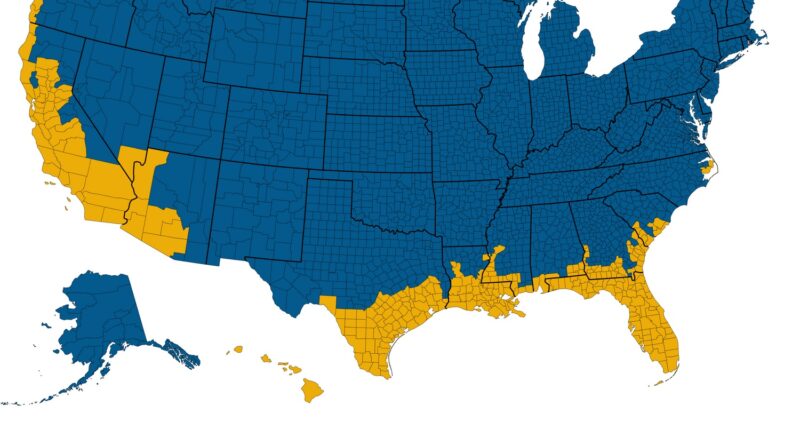
Read MoreAir conditioning transformed American homes in the 20th century. Here’s how it began, where it’s most common today, and which states hardly use it at all.
Read MoreEurope spent the 1900s breaking countries apart, but some regions never gave up on coming together. From Ireland’s legal reunification pathway to Albania-Kosovo’s passionate public backing, these six unification movements show how popular support and political reality often live in completely different worlds.
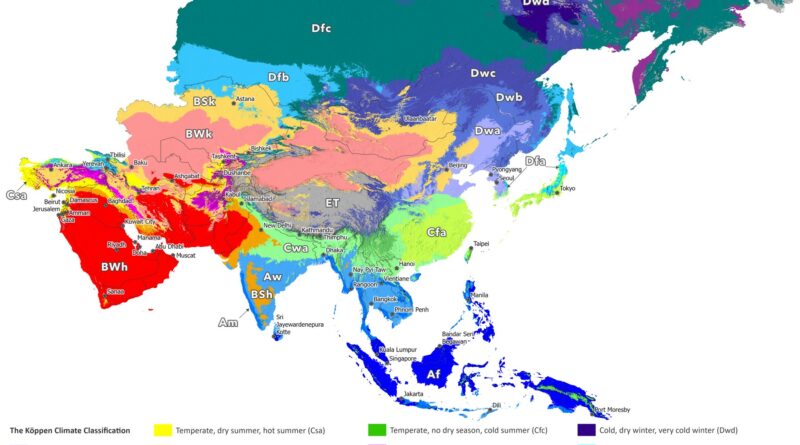
Read MoreEver wondered why your morning coffee tastes different from your afternoon tea? The answer lies in altitude, climate, and centuries of agricultural adaptation. Join me on a cartographic journey through the landscapes that bring these beloved beverages to your cup.
Read MoreCountries without coastlines get the short end of the stick. Switzerland figured out how to make it work, but they’re special. Most landlocked nations spend half their time begging neighbors to let goods pass through. Czechoslovakia was fed up with this by the 1970s, leading to one of the most audacious infrastructure dreams of the Cold War era.
Read MoreHeat waves in Europe are no longer rare events. A new map shows how often summer days over 30ºC now occur compared to the early 1980s.
Read More