Eastern Europe’s Deadly HIV Problem
According to the World Health Organization (WHO), HIV affects over 2.3 million individuals in Europe, with a notable concentration in Eastern European nations.
Read More
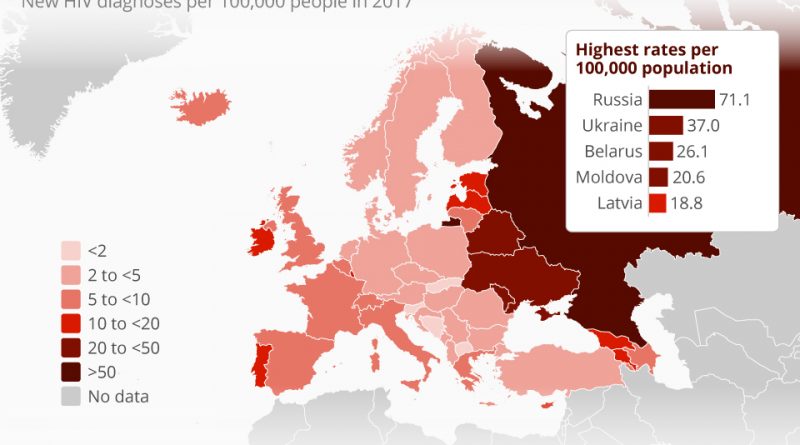
According to the World Health Organization (WHO), HIV affects over 2.3 million individuals in Europe, with a notable concentration in Eastern European nations.
Read More
Instagram is a widely-used social media platform launched in 2010, known for its focus on visual content sharing. Users can post photos and videos, apply filters, and engage with content through likes and comments. Instagram has evolved with features like Stories, IGTV, and Reels, catering to various content formats. It has become a hub for personal expression, business promotion, and influencer marketing, with a diverse global user base.
Read More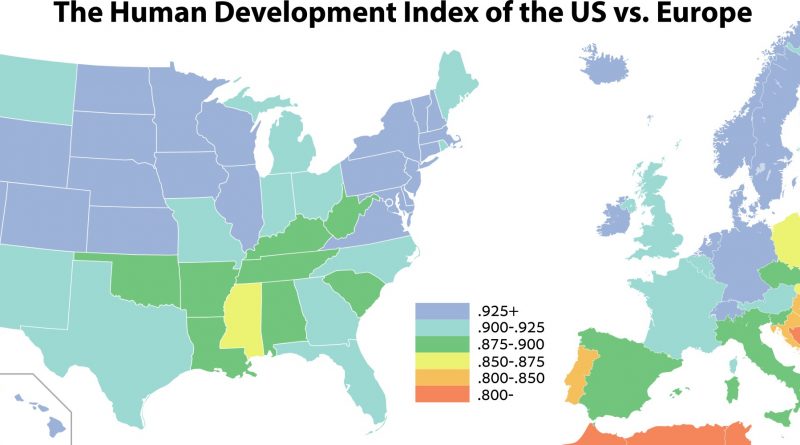
While both the United States and Europe are highly developed regions with relatively high HDI scores, there are notable differences in areas such as healthcare, education, income inequality, and social welfare that contribute to variations in their respective human development profiles.
Read More
Crime rates in the U.S. have changed over time, with rapid growth after 1900, reaching a sizeable bulging top within the 1970s and early 1990s. Since then, crime has decreased significantly. In 2018, the murder rate in the United States was 5 per 100 thousand, for a sum of 15.5 thousand murders.
Read More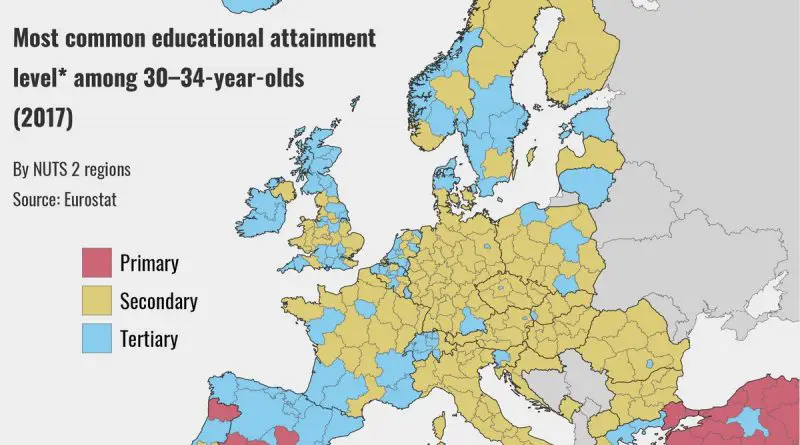
Across various age groups in Europe, the most common educational attainment level exhibits nuanced patterns reflective of societal, economic, and historical factors.
Read More
Cities are the beating hearts of our civilizations, each with its own unique character and charm. However, beneath the surface, there are often striking similarities that define cities within the same country or region. Let’s explore the common features of American cities, European cities, cities in post-Soviet countries, and Chinese cities, highlighting the essence of urban life across borders.
Read More
The evolution of GDP per capita in Europe from 1890 to 2017 showcases a profound transformation in the continent’s economic landscape. In 1890, Europe was marked by significant economic diversity, with Western European nations leading in industrialization and higher GDP per capita, while Eastern and Southern European countries lagged behind. By 2017, Europe had undergone dramatic changes, with Western European countries maintaining their economic lead, but with Eastern and Southern European nations making significant strides in economic development. This transformation highlights Europe’s resilience and adaptability, as well as its commitment to economic progress and cooperation.
Read More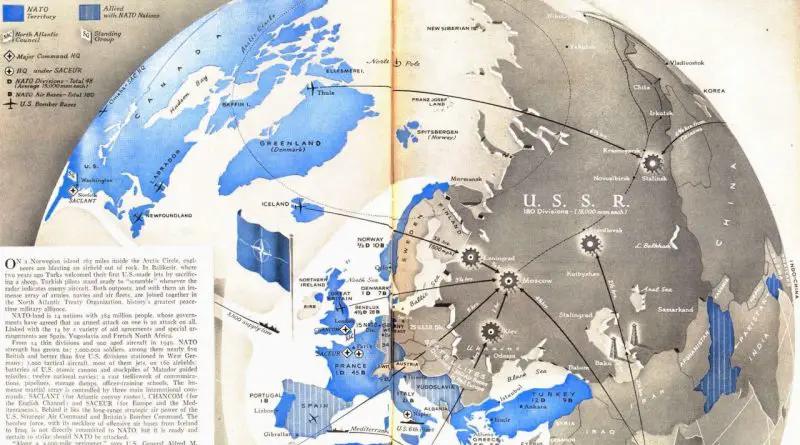
In the midst of the Cold War, on October 11, 1954, TIME magazine published an article highlighting the expansion of the North Atlantic Treaty Organization (NATO) with the admission of West Germany as its 15th member. The article paints a vivid picture of NATO’s growth and the strategic importance of its member nations.
Read More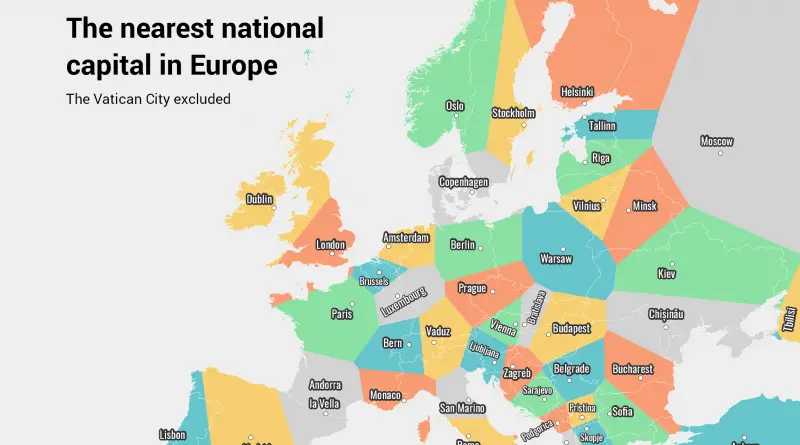
Many European capitals are located on coastlines or along major rivers. This was historically advantageous for trade, transportation, and defense. Examples include London (UK) along the River Thames, Lisbon (Portugal) along the Atlantic coast, Rome (Italy) near the Tyrrhenian Sea, Paris (France) on the Seine, Berlin (Germany) on the River Spree, and Budapest (Hungary) on the Danube.
Read More
Operation Barbarossa, launched on June 22, 1941, marked the largest military invasion in history as Nazi Germany targeted the Soviet Union. This comprehensive analysis delves into the strategic goals, initial successes, and eventual challenges faced by German forces. Discover how this brutal campaign reshaped the Eastern Front and had lasting impacts on World War II.
Read More