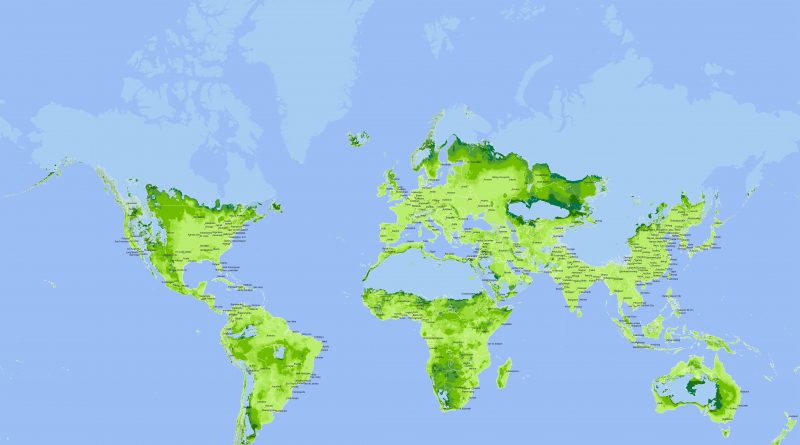
The World’s Forests Mapped
A forest is an area of land covered by trees. According to the Food and Agriculture Organization, forests cover some 3.9 billion hectares (or 9.6 billion acres), which is about 30% of the Earth’s land surface.
Read MoreA forest is an area of land covered by trees. According to the Food and Agriculture Organization, forests cover some 3.9 billion hectares (or 9.6 billion acres), which is about 30% of the Earth’s land surface.
Read MoreHappiness connects with many life factors: GDP per capita, social support, healthy life expectancy, freedom to make life choices, generosity, and the absence of corruption. Which country is the happiest?
Read MoreThe maps of the United States show elevation, precipitation, and population density in the style of Joy Division.
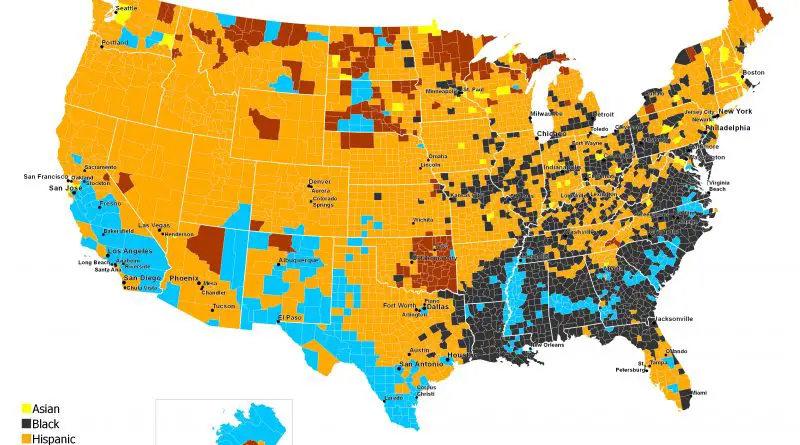
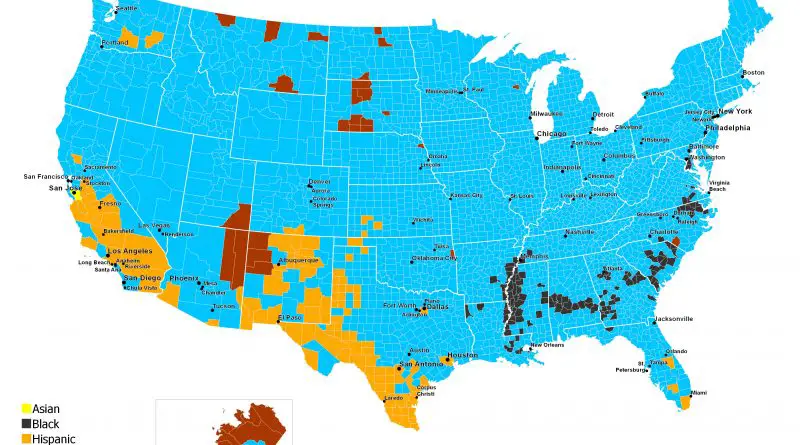
Read MoreThe Asian population in the United States grew to almost 12 million by 2000 and approximately doubled to 22.5 million by 2019 (7% of the U.S. population). The Asian population in America is predicted to touch 46 million by 2060, outdoing Hispanics in 2055.
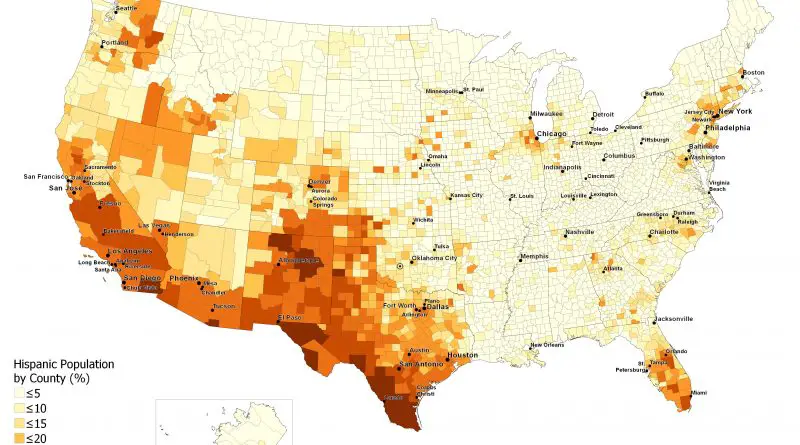
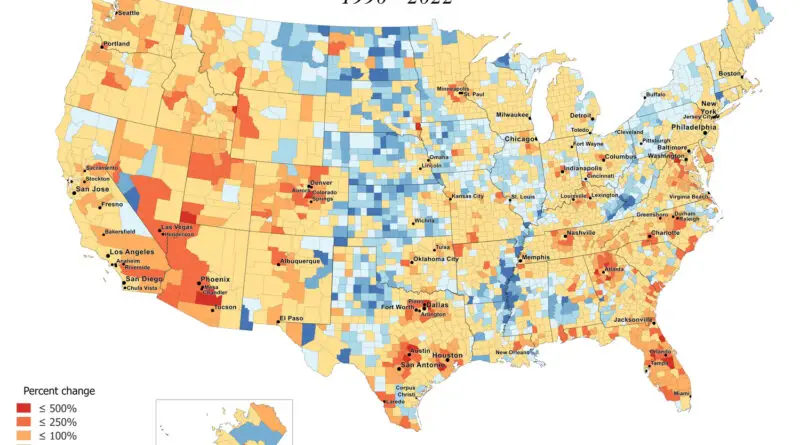
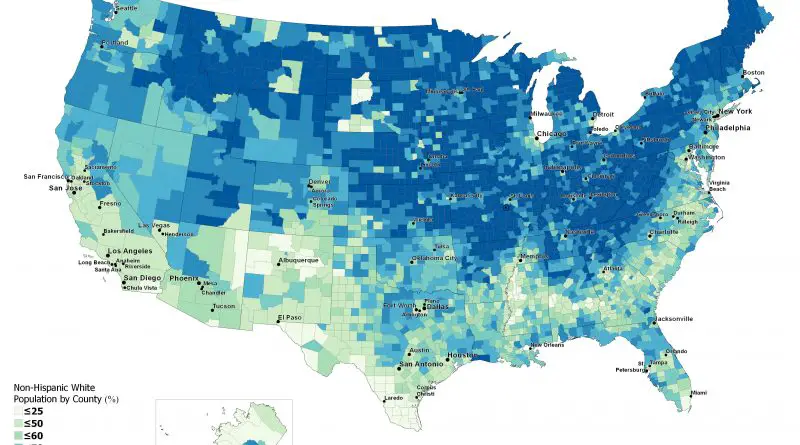
Read MoreHispanic are Americans who are the posterity of immigrants from Spain or Latin America. Hispanics generally are the leading minority ethnic group in the U.S., after non-Hispanic white Americans. According to U.S. Census Bureau data, in 2020, Hispanics made up 18.7% (62.1 million) of the U.S. population.
Read MoreNow that 2019 is almost done, we think it would be interesting to look backward at our most favored maps of the year.
Read MoreBlack Americans compose the 2nd-largest racial group in the United States, after White Americans and Hispanic Americans. African Americans make up 14.6% (47.8 million) of the U.S. population. In recent decades, there has been an increase in U.S. counties with a predominance of blacks.
Read MoreThe maps are based on distance from cities, roads, railways, and airports. The green areas represent places where travel to the city, road and other transportation facilities can be measured in hundreds of kilometers.
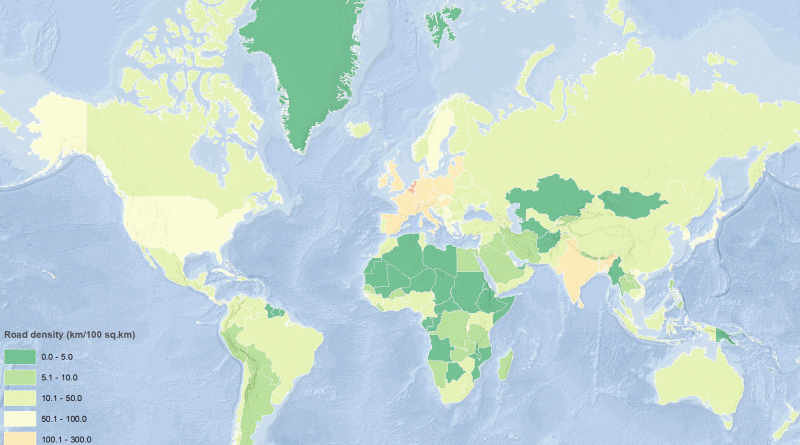
Read MoreThe road system of the U.S. surpasses four million miles in combined length, plus numerous public line roads (8.3 million miles), other service roads, and off-road driving trails.
Read More3 percent (4.5 million km2 / 2.8 million mi2) of the Earth’s land cover is occupied by urban areas. However, even non-urban areas contain roads, railroads, and other marks of human presence. Only ten percent of the world is indeed a wilderness.
Read More