The Expansion of Russia
How has the world’s largest country become the largest country in the world? Ivan the Great and Vasili the Adequate
Read more: The Expansion of Russia

How has the world’s largest country become the largest country in the world? Ivan the Great and Vasili the Adequate
Read more: The Expansion of RussiaCancer is often regarded as a disease of affluence, but about 70 percent of cancer deaths happen in low- and middle-income nations.
Read more: Cancer’s Global Footprint Mapped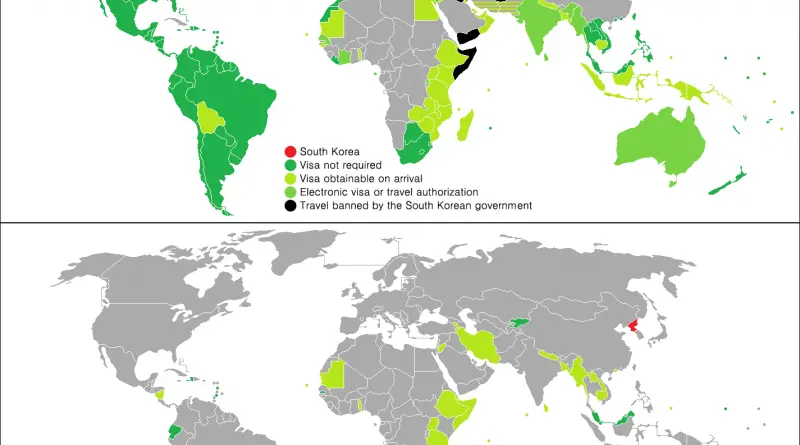
The Division of Korea started at the end of WWII in 1945. The USSR controlled the North of Korea, and the U.S. held South Korea. As a result, North and South Korea have been divided for more than 75 years. All this time, countries have been developing in opposite directions. Now the impact of this development is visible even from space.
Read more: North Korea vs. South Korea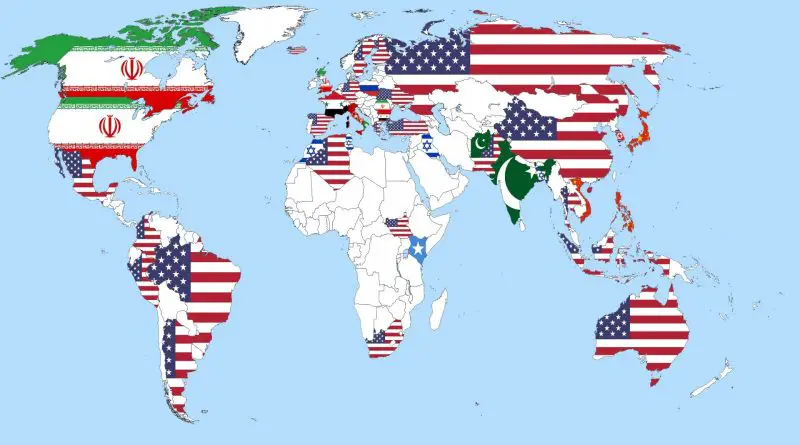
The U.S. is estimated to be the biggest threat to peace globally. The U.S. has over 800 military bases abroad in seventy countries, and it is involved in conflicts from Afghanistan to Sudan. Even 13% of U.S. citizens considered their nation the most significant threat to global peace.
Read more: Who do you see as the biggest threat to world peace?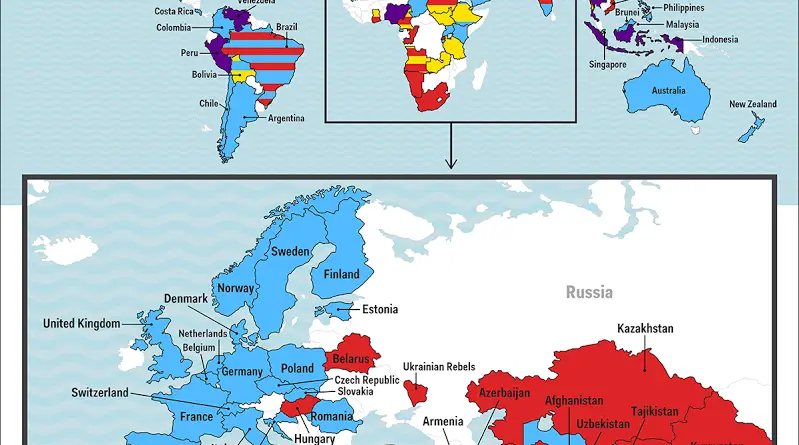
The U.S. is the largest arms exporter in the world, shipping more than $12 billion in arms to other nations. Russia is the 2nd most exporter ($6.15 billion). France ($2.16 billion) is the other nation exceeding $2 billion, with the rest of the significant players from Europe participating less.
Read more: Global Arms Trade Network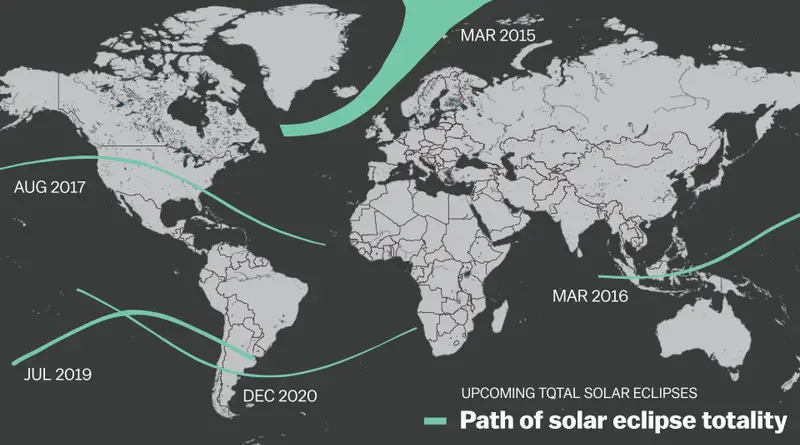
A solar eclipse happens when a part of the Earth is covered in a shadow thrown by the Moon, which entirely or partly obstructs light. Each year happens there are 2-5 solar eclipses of different types.
Read more: Solar Eclipses Paths Mapped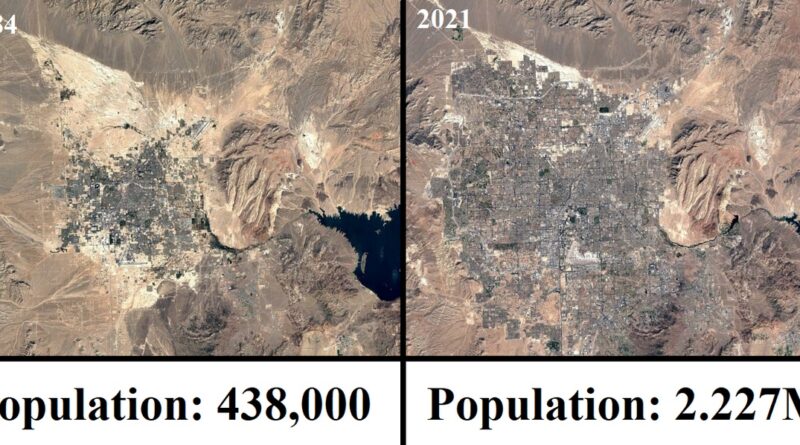
Las Vegas is the 28-most populated city in the U.S. and the most populated city in the state of Nevada, and a world leader in the entertainment industry. Las Vegas evolved from a tiny, desert-bound railway service center at the origin of the 20th century to the nation’s fastest-developing metropolis at the century’s end.
Read more: A Time-lapse of The Growth of Las Vegas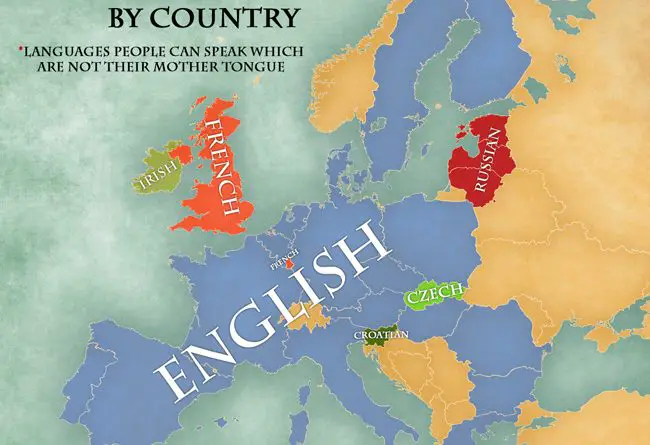
Europe is home to 24 official languages, while about 200 languages are used over the continent. The 10 most spoken languages in Europe: Russian, German, French, Turkish, Italian, English, Spanish, Polish, Ukrainian, and Dutch.
Read more: The Most Spoken Languages In Europe Mapped
Light pollution is human-made light (streetlights, advertising, building lighting) that disrupts ecosystems and has harmful health consequences. The eastern part of the U.S. has the highest level of light pollution. D.C. is the most light-polluted area of the nation, with higher than 200,000 times the artificial brightness of the U.S. darkest spot, the city of Yakutat in Alaska.
Read more: Light Pollution in the United States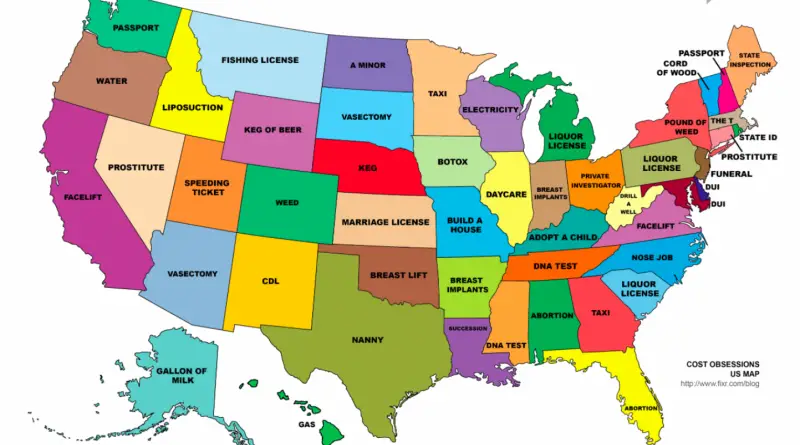
What odd products and services is your U.S. state researching on Google? New York has been looking into the price of a pound of weed, brownstone, pack of cigarettes, surrogate, hot dog. At the same time, California is interested in the cost of facelifts, passport, and marriage licenses, while Chicago has been searching for tummy tuck and divorce.
Read more: The strange things people Google in every U.S. state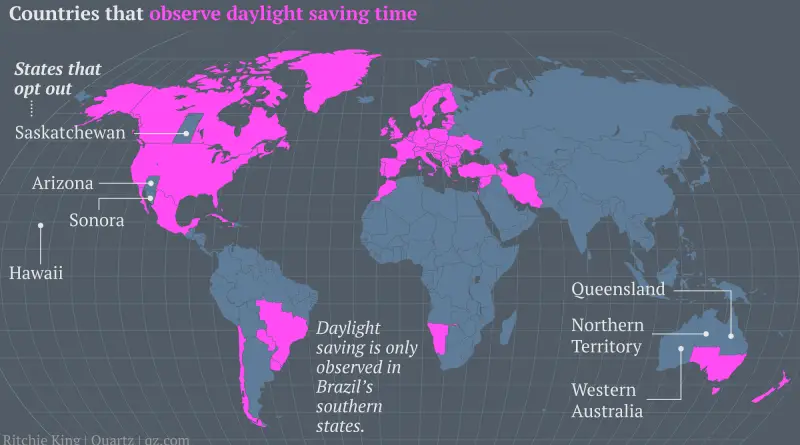
Daylight saving time or summertime is the practice of changing clocks typically by one hour when warmer months so that dusk comes at a later clock time. The typical usages of daylight saving time are setting clocks ahead by one hour in the spring and changing clocks back by one hour in fall to return to standard time.
Read more: Countries that observe daylight saving time
In 2019, for the first time in history, over 80 million cars were manufactured in a single year. In 2019, the total number of cars on the world’s roads was 1.5 billion.
Read more: Passenger Cars per 1000 people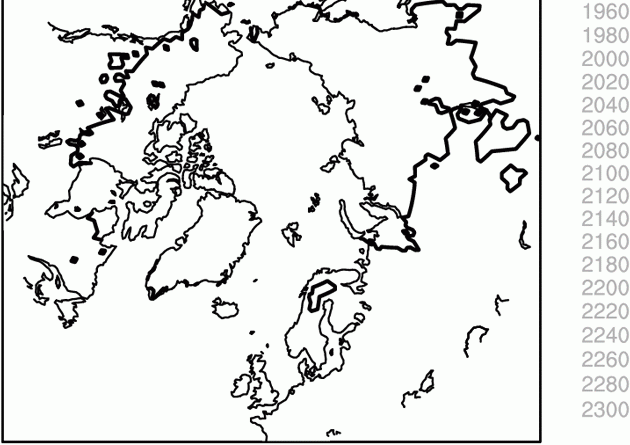
Permafrost is soil with a temperature that remains under the freezing point of water 0 °C (32 °F) for a couple or more years. Permafrost is found in the Arctic and Antarctic regions as well as mountains. Permafrost-affected soils cover nearly 9% of the earth’s land area yet store between 25 and 50% of the soil organic carbon.
Read more: Carbon released from thawing permafrost