Proportion of whites of Foreign parentage to total population of the U.S. (1900)
Related posts: – U.S. population by race – U.S. White Non-Hispanic population, percent increase by county – U.S. population, percent
Read More
Related posts: – U.S. population by race – U.S. White Non-Hispanic population, percent increase by county – U.S. population, percent
Read More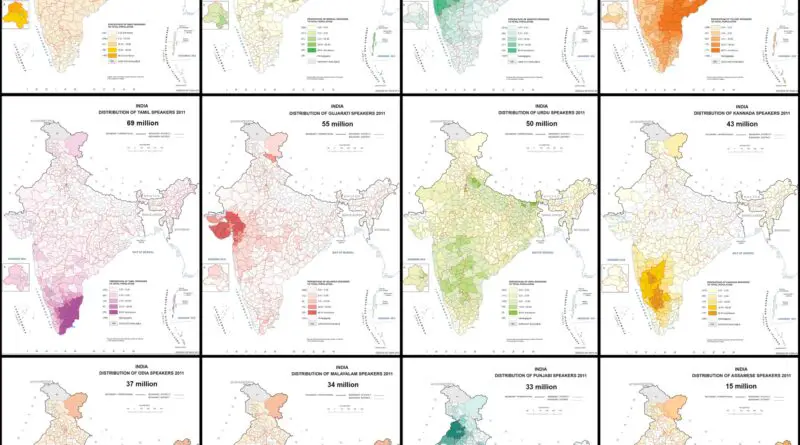
India is home to several hundred languages, 23 of which only constitutionally recognized official languages. Hindi and English are typically used as an official language by the Central Government.
Read More
Scandinavians have a significant history of immigration to the United States, which spans several waves over the past few centuries. Scandinavia is a region in Northern Europe that includes countries such as Sweden, Norway, Denmark, Finland, and Iceland. The migration of Scandinavians to America has had a lasting impact on both regions, shaping the culture, economy, and society of the U.S.
Read MoreVia esa.un.org
Read MoreNationalities of the Central Powers.
Read More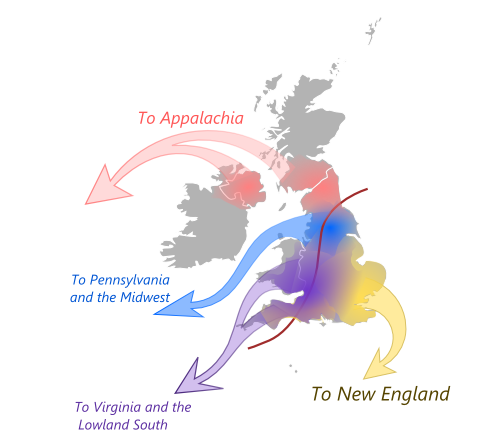
Massachusetts doesn’t feel like Virginia for a reason. Between 1620 and 1770, four British regions sent settlers with completely different worldviews. East Anglian Puritans built communal New England. North Midlands Quakers created tolerant Pennsylvania. Southern English gentry ran hierarchical Virginia. Scottish-English borderers settled independent Appalachia. The map shows where they came from and where they went. American regions still reflect those origins.
Read More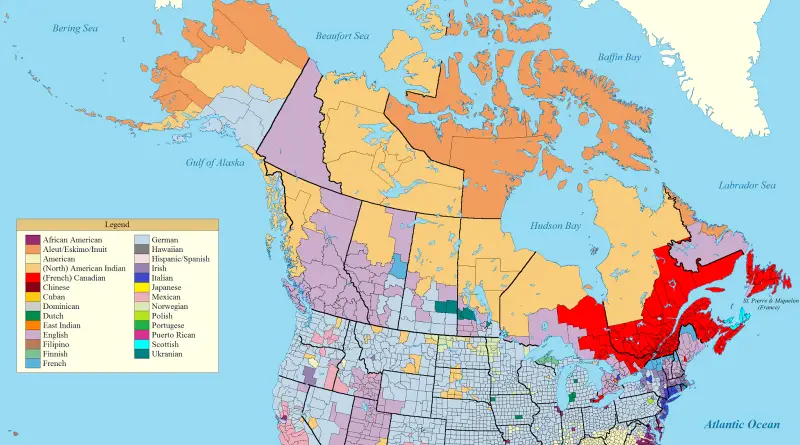
Germans cover the Midwest—41 million Americans. Wisconsin 37% German, North Dakota 36%, some counties hit 64%. Mexicans cluster along the border at 11% of Americans. African Americans dominate where plantations were. English ancestry leads Appalachia and BC. French fills Quebec and northern Maine. Montana is German, southern Saskatchewan is German. But Washington is German and British Columbia is English. Settlement timing and colonial policies created these patterns that persist today.
Read More