What Lies Under Greenland’s Ice
Greenland is 81% glacier, home to 56,000 people, with no roads between most towns. It also holds 25 of the EU’s 34 critical raw materials.
Read more: What Lies Under Greenland’s Ice
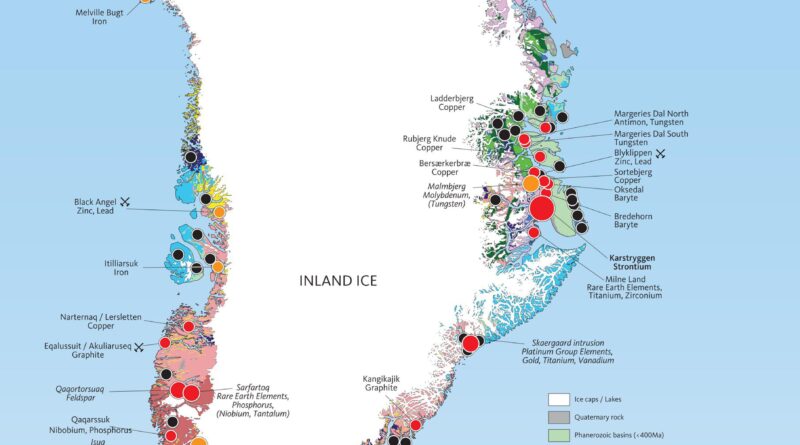
Greenland is 81% glacier, home to 56,000 people, with no roads between most towns. It also holds 25 of the EU’s 34 critical raw materials.
Read more: What Lies Under Greenland’s Ice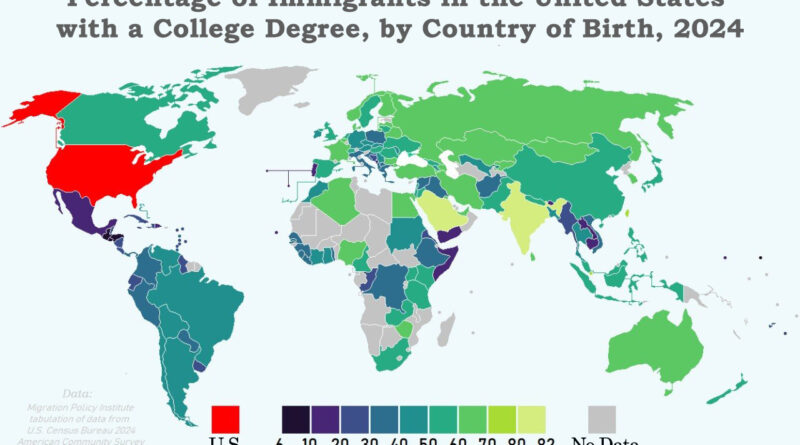
38% of US adults hold a college degree. But among immigrants, the numbers go from 82% (India) to 9% (El Salvador), depending on where they were born.
Read more: Percentage of Immigrants in the United States with a College Degree, by Country of Birth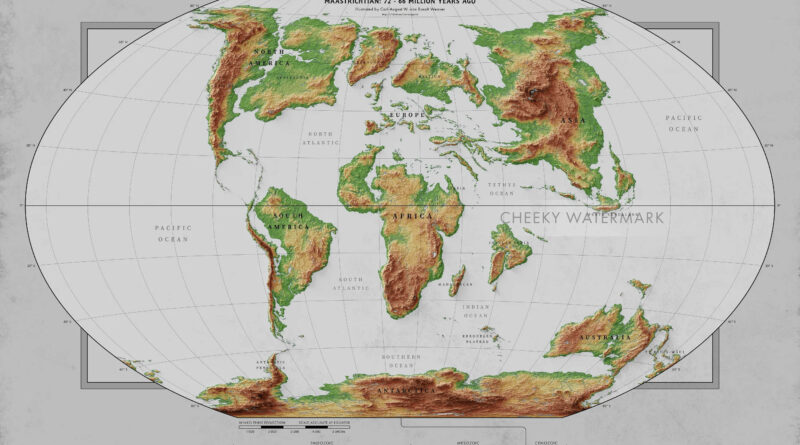
Seventy million years ago, no ice covered either pole, sea levels were about 170 meters (560 feet) higher than today, and large parts of what is now Europe lay beneath shallow seas.
Read more: The Earth 70 Million Years Ago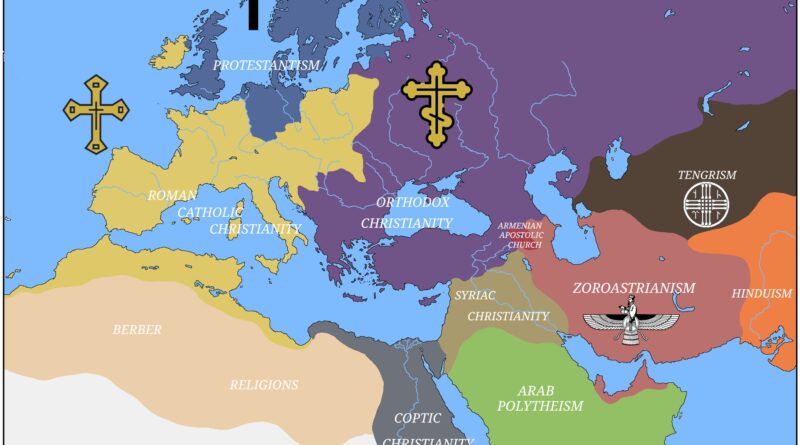
In 610 CE, a new faith emerged in Arabia and permanently altered the religious map of three continents.
Read more: What Would the World’s Religious Map Look Like Without Islam?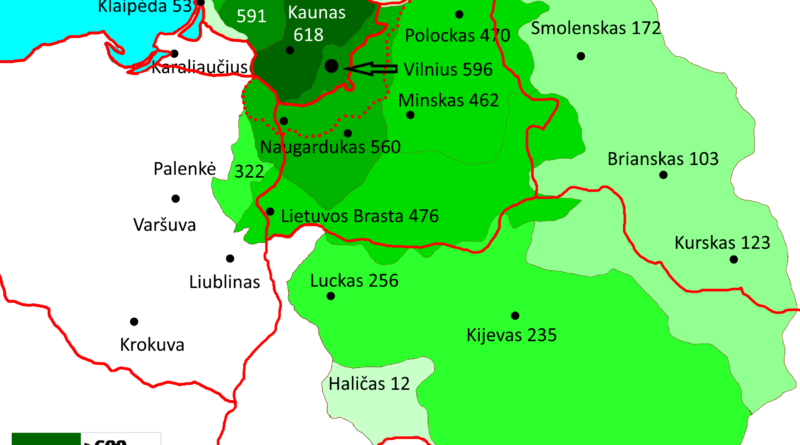
The Grand Duchy of Lithuania once covered most of modern Belarus, large parts of Ukraine, and pushed deep into Russia. Polotsk spent 570 years under Lithuanian governance. Minsk 462. And Odessa, of all places, more than Klaipėda, Lithuania’s own current Baltic port.
Read more: How Many Years Was It Actually Lithuanian?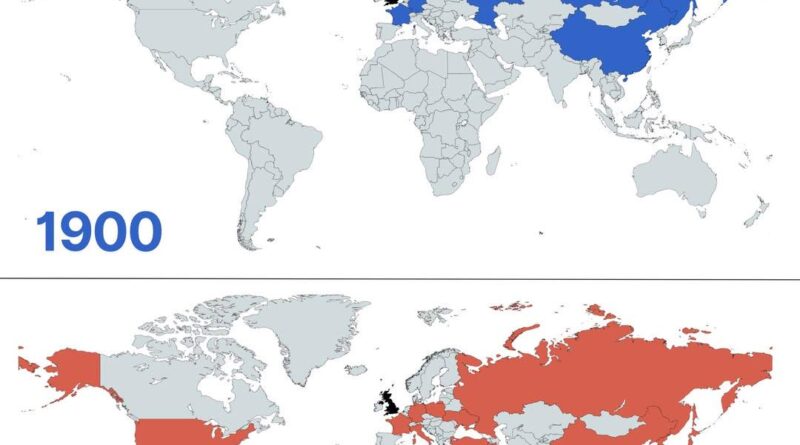
At the height of its imperial power, Britain’s army was one of the largest on Earth. A century later, the same country fields fewer regular soldiers than Vietnam, Egypt, and dozens of others.
Read more: Countries with Larger Active Military Personnel than the UK: 1900 vs. 2026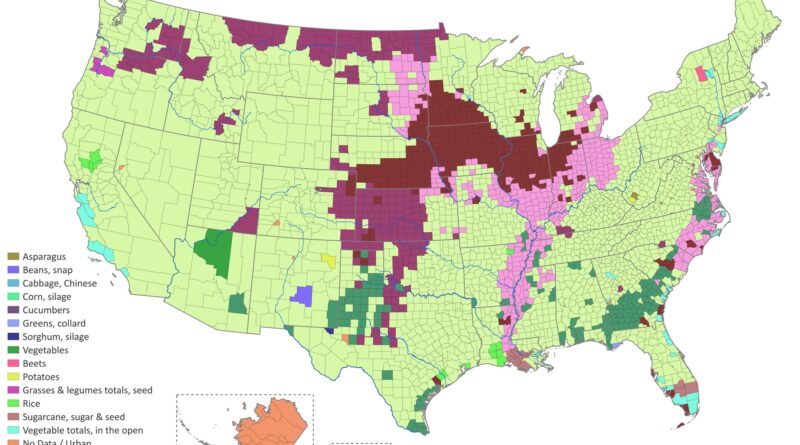
The USDA Census recorded over six million agricultural data points across nearly two million American farms. Mapped county by county, hay and forage lead in roughly half the country, not corn and soybeans as you might assume. And the corn dominating the Midwest? About 40% of it feeds livestock and another 33% fuels ethanol. Less than 10% reaches a human plate directly.
Read more: The Dominant Crop in Every US County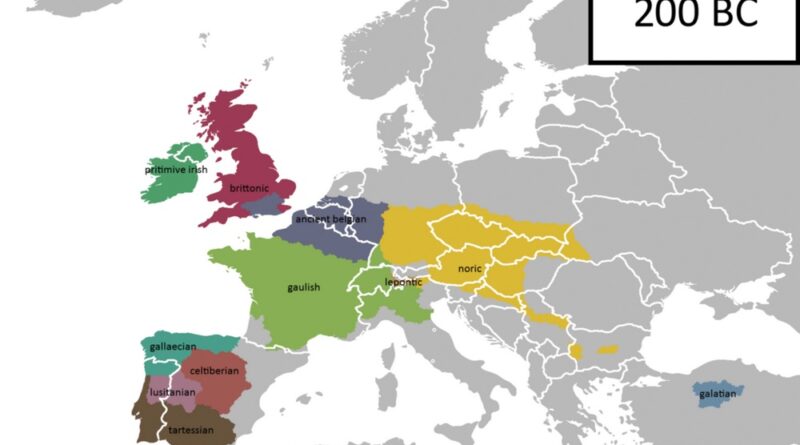
Welsh, Irish, and Scottish Gaelic occupy a narrow strip of the Atlantic coast today. Most people think of them as small, peripheral languages that have always been there at the edge of Europe, hanging on by a thread. But two thousand years ago Celtic was one of the most geographically widespread language groups in the world, running from Portugal to the Black Sea and beyond.
Read more: The Rise and Fall of Celtic Languages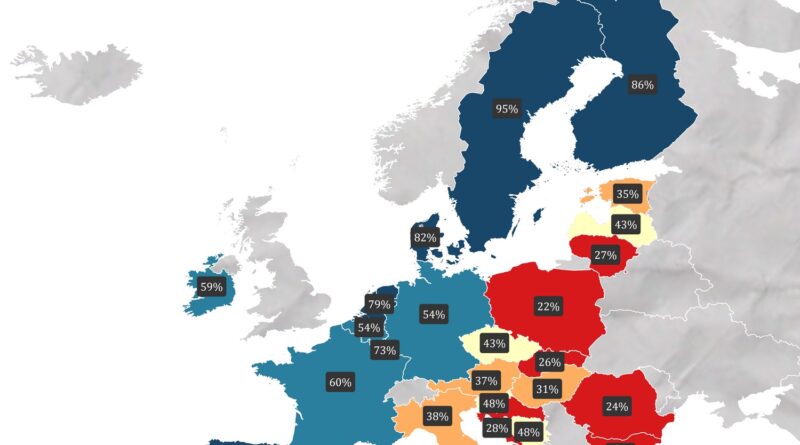
Gender stereotypes are still genuinely strong across Europe. A December 2024 EU survey of 26,000+ people across all 27 member states put hard numbers on how strong, and mapping those numbers produces a consistent geographic divide between Northern and Eastern Europe that has real historical explanations.
Read more: How Europe Sees Gender Roles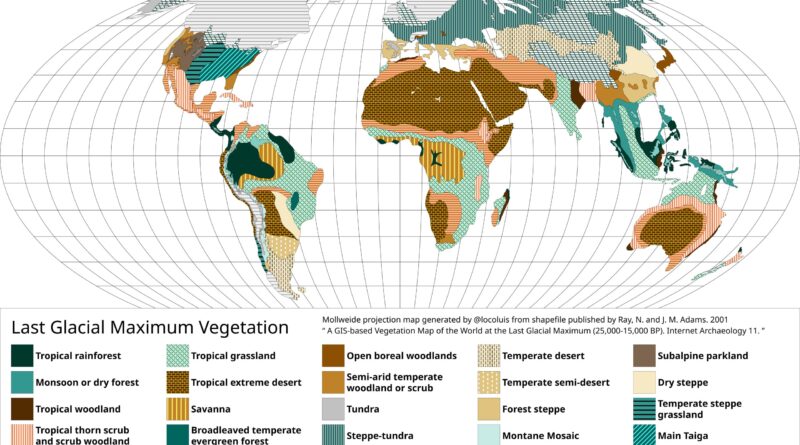
Around 21,000 years ago you could walk from Britain to France without crossing water. The North Sea floor was dry land, because so much water was locked up in ice sheets that coastlines everywhere looked different. The Sahara during this period was more barren than it is today, not less, and the Amazon existed as two separate forest fragments.
Read more: Earth During the Last Glacial Maximum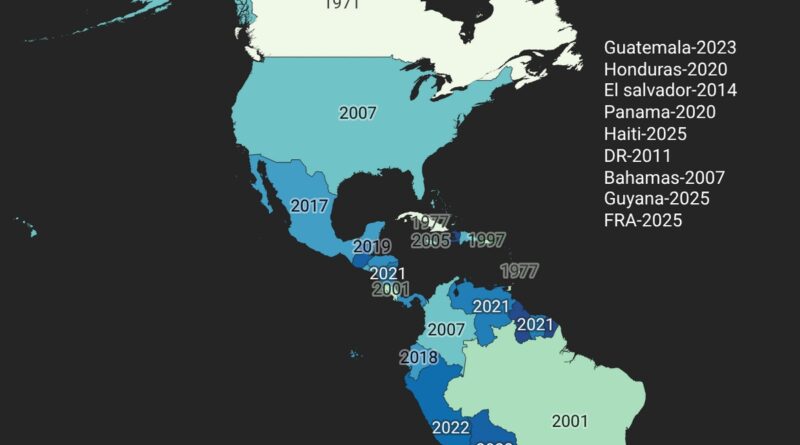
Canada’s birth rate dropped below replacement in 1971. Colombia crossed the same line in 2007 — the same year as the US. Guatemala held on until 2023. Across the entire Americas, only Haiti, Guyana, French Guiana, and Honduras are still above that threshold today.
Read more: The Last Time Each Country in the Americas Had a Fertility Rate Above Replacement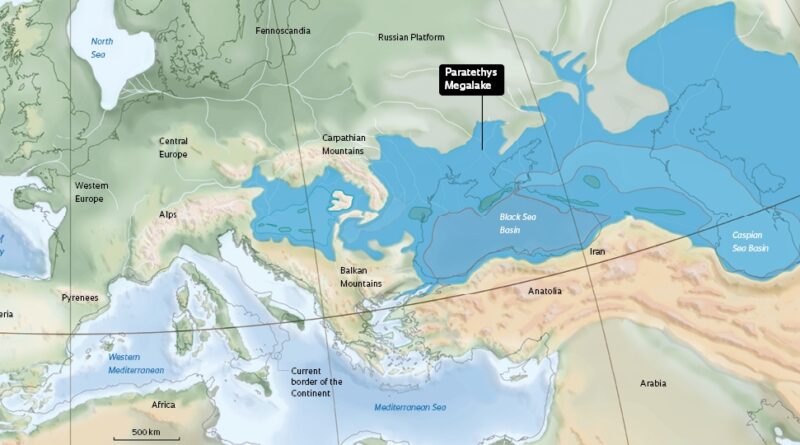
The Caspian Sea is the largest lake on Earth at 386,000 km² (149,000 mi²). Lake Paratethys, which existed twelve million years ago between the Alps and Kazakhstan, covered 2.8 million km², more than seven times that size. It held more water than every modern lake combined, had its own miniature whale species, and eventually broke apart into the Caspian, the Black Sea, and the Aral Sea.
Read more: Lake Paratethys: The Largest Lake That Ever Existed on Earth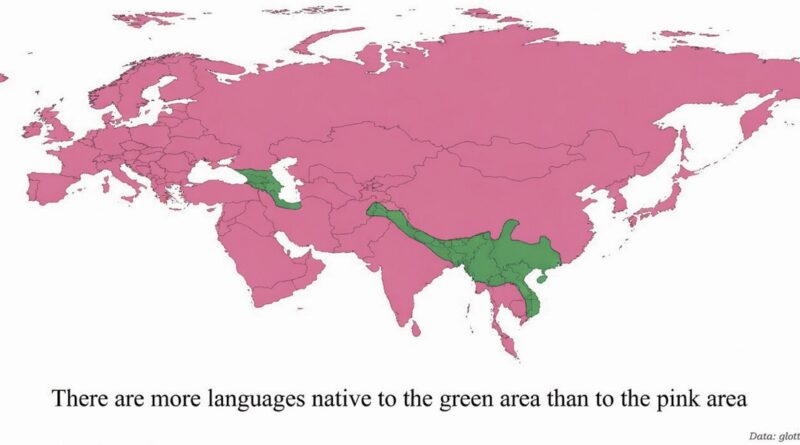
Some regions of Asia hold dozens of completely unrelated languages within a few hundred kilometers. Others stretch for thousands of kilometers on a single tongue. The difference almost perfectly follows the mountain belt.
Read more: Why So Many Languages Cluster Along Asia’s Mountain Belt