World

FoodWorld

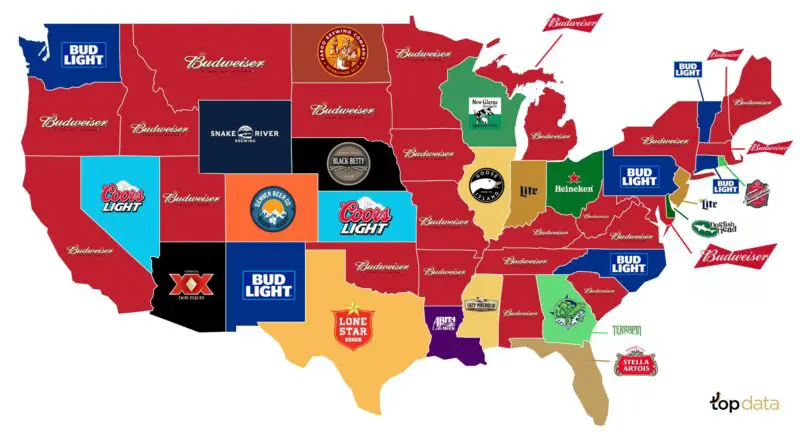
The Most Popular Beer Brands In Every State, Mapped

The covid-19 pandemic has induced many shifts inhabits, with the latest numbers proposing our alcohol consumption is one of them. Purchases of alcohol are have risen by 8.92 percent since the pandemic touched the United States. Budweiser is the most prevalent cheap beer across the U.S. by far, listing first in 23 U.S. states. Bud Light takes second place as the preferred beer only in 6 U.S. states.

Read more: The Most Popular Beer Brands In Every State, Mapped
DemographyNewsVivid mapsWorld

The U.S. Archipelago

The U.S. population distribution is uneven. This uneven distribution of the population is due to historical and geophysical factors (climate, landforms, soil conditions). Approximately 40% of the U.S. population lived in counties on the shore. Nowadays, population decline hit most nonmetro U.S. counties in the Great Plains. Speedy population increases in nonmetro counties nearest to large-sized metro areas and recreation regions with beautiful landscapes.

Read more: The U.S. Archipelago
CulinaryFoodWorld

The Most Photographed Food in the U.S.

Trover made an in-depth analysis of photos using Google’s Vision A.I. technology. This pre-trained machine learning model identifies various things in pictures, including emotions, writing, and different things, including many types of food and drink. The technology is capable of classifying these objects with a vast range of labels, such as ‘fried food,’ ‘Buffalo wings,’ ‘cocktail,’ and ‘mojito.’

Read more: The Most Photographed Food in the U.S.
CitiesClimate ChangeForecastsGlobal WarmingNewsWorld

How hot cities could be in 2050

Many of the world’s cities will face sharply different climates by 2050. I tried to visualize how climate change will affect 6,000 world cities. London could feel as hot as Paris by 2050, with Paris’s climate more like San Francisco. San Francisco feels like Melbourne and New York City like Bologna (Italy). The climate of Moscow will be similar to that of Boston.

Read more: How hot cities could be in 2050