
Nature
First-ever U.S. national wild bee map reveals farmland at risk
Maps of status, uncertainty, trend, and impacts of wild bees across the coterminous United States. (A) Status of wild bee
Read more: First-ever U.S. national wild bee map reveals farmland at riskContinental drift in 20 steps from 650 million years in the past to 250 million years in the future
Related posts:– What did Earth look like 600 million years ago?
Read more: Continental drift in 20 steps from 650 million years in the past to 250 million years in the futureThe race for Arctic domination
The United Nations Climate Change Conference in Paris (Nov 30 to Dec 11) will cast a worried eye at the
Read more: The race for Arctic domination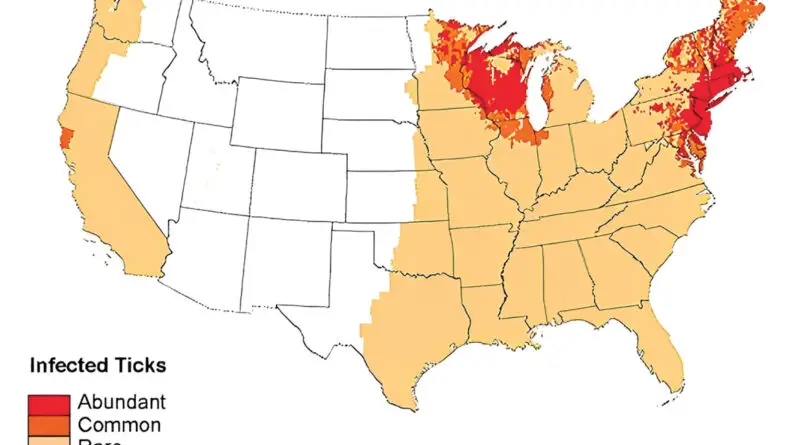
Geographic distribution of ticks and disease cases in the U.S.
Ticks are parasites, being by feeding on the blood of mammals, birds, and even amphibians. Ticks themselves don’t produce disease, but if a tick is infected with a bacterium or virus, then that pathogen can be transferred within the tick’s bite and cause illness in humans. In the U.S., 9 ticks most often attack humans.
Read more: Geographic distribution of ticks and disease cases in the U.S.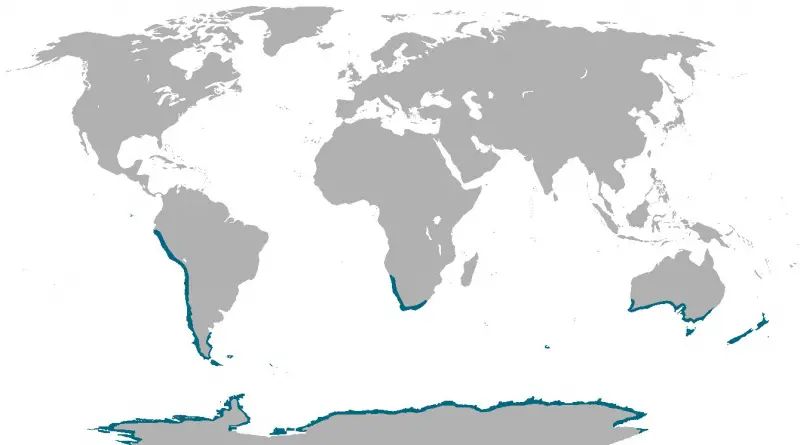
Penguin habitat distribution
Penguins are aquatic birds that live most only in the Southern Hemisphere. Only one penguin species (the Galapagos penguin) inhabit north of the equator. Most penguins feed on fish, krill, squid, and other sea life forms. Despite that, they highly adapted for life in the water. They spend about half of their lives on land and the other half in the sea.
Read more: Penguin habitat distribution