Predominant confessions in Germany by district
Christianity is the largest religion in Germany (58.5% of the population). The second-largest religion in Germany is Islam (5%). About
Read more: Predominant confessions in Germany by district
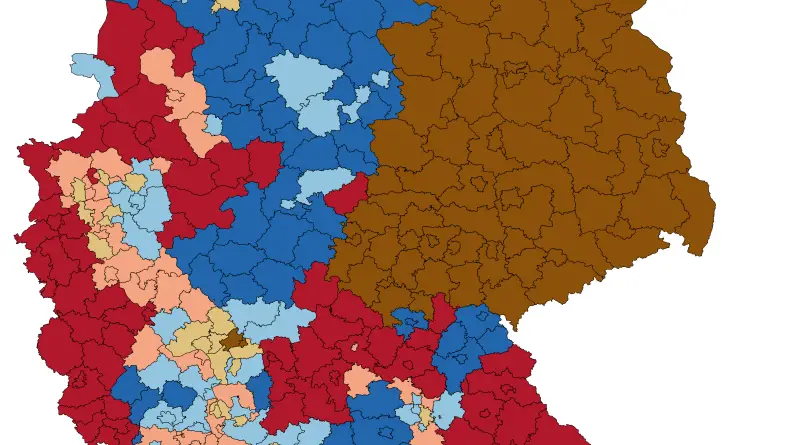
Christianity is the largest religion in Germany (58.5% of the population). The second-largest religion in Germany is Islam (5%). About
Read more: Predominant confessions in Germany by district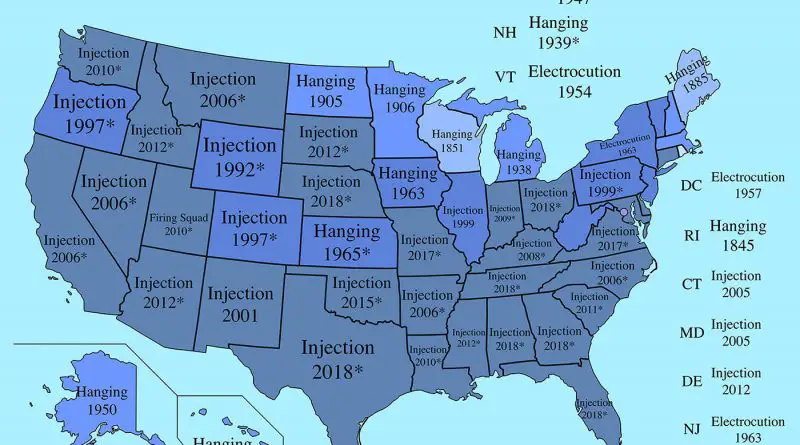
One thousand five hundred forty-three men and women have been executed in the U.S. since the 1970s, although executions have decreased dramatically over the past two decades. Most executions have been condensed to just a few U.S. states and a few outlier counties.
Read more: Executions in the United States
During the Ice Age, the sea level in Europe was significantly lower than it is today. The extensive ice sheets and glaciers that covered large parts of the continent locked up substantial amounts of water, causing the global sea level to drop.
Read more: The Last Ice Age in Europe
Christianity in the United States is a vibrant and diverse religious landscape. Protestantism is the dominant branch, encompassing a wide range of beliefs and practices, from traditional mainline Protestant denominations like Methodists and Lutherans to more evangelical and charismatic groups.
Read more: Christianity in the US counties
The United States is a nation of remarkable diversity, with its population representing a wide array of ethnic and racial backgrounds. This rich mix of cultures is reflected in the demographic makeup of each state, creating a fascinating mosaic that tells the story of America’s ever-evolving identity. From the large Hispanic populations in the West to the significant African American presence in the South, each region offers a unique glimpse into the nation’s diversity.
Read more: Largest Minority by U.S. State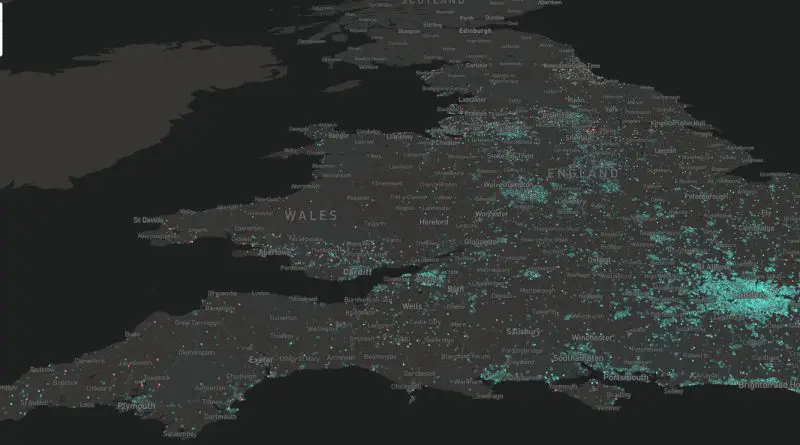
Our latest blog post dives into the fascinating world of UK property prices, featuring an interactive map that reveals a decade of change. From London’s ever-rising values to surprising declines in some coastal towns, we explore the economic and social factors shaping the UK’s housing landscape.
Read more: Where in the UK House Prices are Rising and Falling
Ever wonder which terrible movies your state secretly loves? Our map reveals the most popular “bad” films across America, from “The Room” to “The Emoji Movie.” Prepare for some surprising choices and a few nostalgic groans!
Read more: Each US State’s Favorite ‘Bad’ Movie
The world of international arms transfers is shifting. The US has strengthened its position as the top exporter, while Russia maintains a strong second place. But who’s buying, and how does this affect global politics?
Read more: United States and Russia Arms Transfers Mapped
Ever wondered why your cousin from Georgia calls every soft drink a “Coke”? Or why Midwesterners insist on saying “pop”? Dive into the bubbling world of American soda terminology with two eye-opening maps and a wild list of regional nicknames for our favorite fizzy refreshments.
Read more: Generic term for a sweetened carbonated beverage
Population density has been monitored for more than 200 years in the U.S. During this time, the number of people living in the U.S. per square mile has grown from 4.5 in 1790 to 87.4 in 2010. Nowadays, the population density in the United States is 87 per square mile.
Read more: U.S. Population Density Mapped
Think you know what drives the U.S. economy? Think again. Our state-by-state breakdown of the most profitable industries reveals some unexpected economic champions and highlights the complex tapestry of American commerce.
Read more: Mapping America’s Economic Powerhouses: A State-by-State Look at Top Industries
Take a melodious journey across a map of the United States, revealing the best-selling music artists from each state. From Elvis in Mississippi to Katy Perry in California, uncover the diverse musical landscape of America.
Read more: A Musical Journey Across the Map of the United States: Best-Selling Artists by State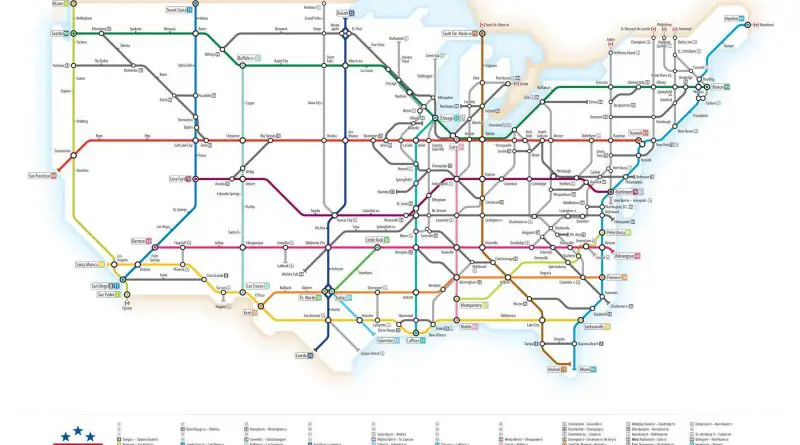
Construction of the Highway System was declared finished in 1992. The cost of the Interstate Highway System’s construction was almost $114 billion (equal to $521 billion in 2020). The primary system has been extended many times by the expansion of being designations and creating new designations. Currently, all routes’ total length is more than 48.4 thousand miles (~78 thousand kilometers).
Read more: United States interstate system mapped